
Introduction to Sustainable Living
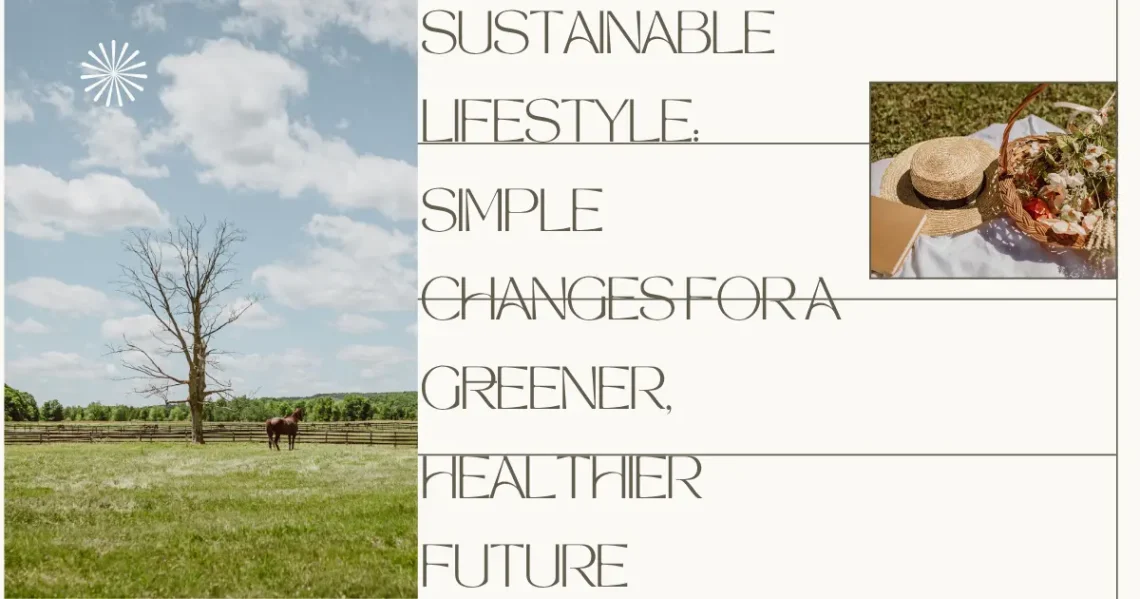
Sustainable living isn’t just a buzzword anymore—it’s a necessary shift in how we live, consume, and think. In today’s fast-paced, convenience-driven world, the way we interact with our environment often gets overlooked. We throw away plastic bottles without a second thought, forget to switch off lights when leaving a room, or buy more clothes than we actually wear. It’s not intentional harm—it’s just habit. But these habits, over time, come at a cost.
A sustainable lifestyle is about rethinking those little things. It’s not about perfection or going completely off-grid overnight. It’s about progress—small, meaningful steps that lead to a more balanced way of living. Imagine choosing a reusable water bottle instead of buying a new one each time. Or biking to work a couple of days a week instead of driving. These changes may feel small, but collectively, they have a ripple effect.
The heart of sustainable living lies in mindfulness. It’s being aware of how our choices affect the world around us and the people in it—including future generations. It’s choosing quality over quantity, reducing waste, supporting ethical businesses, and slowing down to enjoy life a little more intentionally.
And let’s be honest, the idea of overhauling your lifestyle can feel overwhelming at first. But the good news? You don’t have to do everything all at once. You start where you are—with what you can manage—and build from there. That’s the beauty of it. Sustainable living is deeply personal, adaptable, and rewarding in ways you might not expect.
In the next sections, we’ll break this journey down into manageable parts, showing how even the smallest shift in your daily routine can lead to lasting, meaningful impact
What is a Sustainable Lifestyle?
A sustainable lifestyle is all about living in a way that meets your needs without compromising the ability of future generations to meet theirs. Sounds a bit technical, doesn’t it? But in simple terms—it’s about living better with less, and doing so in harmony with the planet.
Let’s say you go grocery shopping. You bring your own cloth bags, buy local produce, avoid plastic packaging, and maybe even compost your food waste later. That’s sustainable living in action. It’s thoughtful. It’s intentional. It’s choosing to consume resources responsibly and reduce your personal footprint.
Now, this doesn’t mean you have to give up modern comforts or suddenly become a zero-waste expert. Not at all. Sustainability isn’t a one-size-fits-all solution. What works for one person might look completely different for another. For some, it’s growing their own vegetables. For others, it’s thrifting clothes instead of buying new ones.
The goal is to live in a way that’s kinder to the environment, smarter about resources, and healthier for you in the long run. It’s about creating balance—between what we take from the Earth and what we give back.
And let’s not forget, sustainability also touches social and economic aspects. Supporting local businesses, fair-trade goods, and ethical working conditions are just as important. It’s not just about the planet—it’s also about the people.
So if you’re wondering whether your lifestyle is sustainable or not, start by asking: “Can I keep doing this for years without harming the world or others around me?” If the answer is no, maybe there’s a gentler path waiting for you to explore.
Why It Matters in Today’s World
Let’s be real—our planet is feeling the pressure. From plastic-filled oceans to rising temperatures, it’s clear we’ve been living beyond our means. That’s where the sustainable lifestyle steps in—not as a trend, but as a response to an urgent need. We can’t keep ignoring the signs. Forests are shrinking, species are disappearing, and even our weather feels off. This isn’t fear-mongering; it’s just the reality we’re waking up to.
But here’s the hopeful part: we can change things. Not perfectly, not all at once—but meaningfully. Living sustainably isn’t just about preserving the environment for “someday.” It’s about creating a livable, healthy, and just world right now. One where clean air, safe water, and good food aren’t luxuries—they’re basics.
This lifestyle shift also matters because it challenges a system built on overconsumption. Let’s face it—we’re told to buy more, use more, want more. And yet, we’re more anxious, more disconnected, and more overwhelmed than ever. Choosing sustainability is, in many ways, a rebellion against that chaos. It’s saying, “I don’t need more stuff to live a full life.”
And it’s not just about the environment either. It’s also about equity. Communities most affected by climate change are often the least responsible for causing it. So when we make sustainable choices—like reducing waste or supporting ethical brands—we’re also taking a stand for justice.
In short, sustainability matters because our choices, no matter how small they seem, ripple out. The way we live today shapes the world our children will inherit. And that’s not something to take lightly.
So whether you’re composting food scraps or cutting down on car rides—it all adds up. It all matters. You matter.
Benefits of a Sustainable Lifestyle
Living sustainably isn’t just good for the planet—it’s surprisingly good for you, too. A lot of people assume it’s about sacrifice, like giving things up or living with less comfort. But honestly, it’s often the opposite. Adopting a sustainable lifestyle can actually bring more peace, more health, more clarity—and even more savings—into your daily life.
Let’s start with the emotional and mental benefits. When you make intentional, conscious choices—like cooking at home with fresh ingredients, walking instead of driving, or reducing clutter—you start to feel more grounded. Life slows down a bit. There’s a sense of calm that comes with living in sync with your values and with nature. You don’t feel like you’re constantly chasing something.
On a physical level, sustainability often leads to better health. You’re more likely to eat whole foods, move your body more, use fewer harsh chemicals, and breathe cleaner air. And while you’re at it, you’re helping reduce pollution and waste—so it’s a win-win.
Then there’s the financial side. People are often surprised to find that sustainable living can save money in the long run. Think energy-efficient appliances, reusable products, buying less but better quality, and even growing a few herbs at home. These choices may require a bit of effort upfront, but they pay off over time.
Another powerful benefit? Connection. You start feeling more connected—to your community, to the Earth, even to yourself. Whether it’s buying from local farmers, swapping clothes with friends, or joining a clean-up drive, sustainability brings people together.
It’s not about perfection. It’s about progress and presence. And once you start experiencing the rewards, you’ll wonder why you didn’t begin sooner.
Environmental Impact
When we talk about the environment, it can sometimes feel distant or abstract—like it’s about polar bears or melting glaciers far away. But the truth is, the environmental impact of our daily lifestyle choices hits much closer to home. The food we eat, the products we buy, how we travel, even how we dispose of things—all of it either helps or harms the environment. There’s no neutral ground anymore.
Sustainable living is one of the most effective ways an individual can reduce their environmental footprint. It starts small: using a cloth bag instead of plastic, turning off lights when not needed, or fixing rather than throwing away broken items. But these small actions add up to something much bigger. For example, switching to energy-efficient appliances reduces electricity consumption, which lowers the demand for fossil fuels. That, in turn, helps reduce greenhouse gas emissions.
Waste reduction is another huge part. Landfills are overflowing with items that could have been recycled, reused, or composted. By embracing sustainable habits like zero-waste shopping, composting kitchen scraps, or avoiding single-use plastics, we help reduce the burden on our waste systems—and prevent more damage to ecosystems.
And don’t forget water. A sustainable lifestyle also means being conscious of how we use water. Long showers, leaking taps, and water-intensive products all drain our resources. Making even small changes—like fixing a leak or using water-saving fixtures—can save gallons every day.
The point is, sustainable choices ripple outward. They reduce pollution, conserve biodiversity, protect wildlife habitats, and even improve air and water quality in our own neighborhoods. You don’t have to be a scientist or activist to make a difference. Just being more mindful is enough to start rewriting our planet’s future.
Health and Wellness Improvements
One of the most overlooked perks of living sustainably is how much it can improve your overall health and well-being—both physically and mentally. And no, it doesn’t require a yoga retreat or an expensive lifestyle overhaul. In fact, just the opposite. Many sustainable habits naturally lead to a healthier you, often without even trying.
Let’s start with food. When you embrace sustainability, you often end up eating more whole, plant-based, and locally sourced foods. These are usually fresher, less processed, and free of artificial additives. That means fewer preservatives, less sugar, and more vitamins and minerals. Not only does this help your body, but your mind also benefits—clean eating has been shown to support mental clarity, mood stability, and even better sleep.
Then there’s movement. Choosing to walk or bike instead of driving doesn’t just help the planet—it boosts your fitness, reduces stress, and gives your mind a break. Ever notice how a short walk outdoors can instantly shift your mood? That’s the sustainable magic working both ways.
Even your home environment gets a wellness upgrade. Using natural cleaning products means less exposure to harsh chemicals, which can irritate skin, lungs, and even affect hormone balance. Sustainable living encourages better air quality, fewer allergens, and safer spaces—especially important if you have kids or pets.
But perhaps the most beautiful shift happens in your mind. When you begin to live more intentionally and mindfully, you reduce mental clutter too. Less focus on “stuff” means more presence, more calm, and a stronger sense of purpose. You start to feel more connected—to yourself, to others, and to the world around you.
In a world where burnout and stress are so common, sustainable living offers something rare: balance. A chance to feel better, live better, and do better—all at once.
Financial Savings Over Time
At first glance, sustainability can seem expensive. Organic food, eco-friendly brands, energy-efficient appliances—they all sound like they might burn a hole in your wallet. But that’s actually a big misconception. When approached thoughtfully, a sustainable lifestyle often leads to long-term financial savings that many people don’t expect.
Let’s break it down. The key to sustainable living is “buy less, use longer.” That means fewer impulse buys, less waste, and more thoughtful purchases. For example, investing in a good-quality reusable water bottle may cost a little upfront—but it replaces hundreds of single-use plastic bottles over time. Same with cloth bags, stainless steel straws, or energy-saving light bulbs. These small changes pay for themselves quickly.
Then there’s energy efficiency. Switching to LED bulbs, unplugging devices when not in use, or installing low-flow water fixtures can significantly reduce your electricity and water bills. If you’re a homeowner, things like solar panels, insulation, or smart thermostats might require some initial investment, but they dramatically lower utility costs in the long run.
Food is another major area. Cooking more meals at home, buying in bulk, reducing meat consumption, and growing a few herbs or vegetables can all save money. Plus, cutting food waste—by storing things properly or meal planning—means fewer trips to the grocery store.
Even fashion plays a part. Building a capsule wardrobe and buying secondhand or ethically made clothes might mean fewer purchases overall, but each piece lasts longer. That’s money saved over time, not to mention fewer items ending up in the trash.
So while it may not feel like a money-saving lifestyle on day one, the long-term gains are real. You spend less, waste less, and stress less. And that’s a win for your wallet—and the world.
Building a More Mindful Life
Sustainability isn’t just about eco-friendly choices—it’s also about reconnecting with your life in a deeper, more intentional way. At its heart, a sustainable lifestyle is a mindful lifestyle. It encourages you to pause, reflect, and ask yourself: “Do I really need this?” or “What impact will this choice have?” Over time, that mindfulness seeps into all areas of your life—and honestly, it feels pretty refreshing.
Think about how often we go through the day on autopilot—scrolling, shopping, consuming without really thinking. A sustainable mindset slows that down. You start to notice what you’re buying, how you’re eating, how much waste you’re generating. And from that awareness comes change—not forced, but natural.
For instance, you may begin to enjoy cooking simple meals with seasonal ingredients instead of ordering out. Or you might find joy in taking a morning walk instead of rushing through traffic. You become more aware of your surroundings, your habits, your values. That’s mindfulness in action.
And there’s an emotional shift too. When you live with intention, you often feel less anxious and more content. Your days feel fuller, not because you’ve done more, but because you’ve done things that matter—to you, to others, and to the planet. Even something as simple as donating items you no longer use can create a sense of purpose and clarity.
Sustainable living doesn’t demand perfection. You’ll still make mistakes, you’ll still buy the occasional thing you don’t need—but the key difference is that you’re aware. You’re choosing to live more consciously, and that awareness is powerful.
In a noisy world, choosing mindfulness is an act of rebellion. A quiet, gentle, life-changing rebellion. And sustainability gives you the tools to make that shift—without pressure, without guilt—just one mindful step at a time.
Everyday Sustainable Habits to Adopt
Let’s be honest—trying to “live sustainably” can sound like a huge, intimidating lifestyle overhaul. But the truth is, it’s the small, everyday habits that really make the biggest difference. And most of them? They’re surprisingly doable. You don’t need to go off-grid or become a minimalist monk overnight. You just need to start paying attention to your choices and shift them slightly toward better ones.
The beauty of everyday sustainable habits is that they fit into your regular routine. You’re already brushing your teeth, grocery shopping, drinking water, commuting—so why not do those same things a little more thoughtfully?
Start with the basics. Carry a reusable water bottle and coffee cup. Bring your own shopping bags. Turn off lights and appliances when you’re not using them. These are things you can implement today, without spending a dime.
Then move into your kitchen. Meal plan to avoid food waste. Store food properly. Choose seasonal fruits and veggies when you can. Compost your scraps if your area allows it—or at least, try to reduce what ends up in the trash. These habits help the planet and save you money.
When it comes to getting around, think about walking or biking for short trips. Public transportation is a great option too. And if you drive, maybe carpool once in a while or look into hybrid or electric vehicles down the line.
It’s also worth thinking about what you buy. Do you really need it? Could you borrow, repair, or thrift it instead? Every purchase has an environmental cost, and just pausing before you buy can make a huge difference.
The key here is consistency, not perfection. The more these habits become second nature, the easier it gets. And before you know it, you’re living sustainably—without even thinking about it too hard.
Conclusion: Every Small Step Counts
Living a sustainable lifestyle isn’t about being perfect. It’s about making conscious choices—every day—that move us closer to a healthier, more balanced relationship with the planet and ourselves. You don’t need to live in a solar-powered home or grow your own food to make a difference. Sometimes, it’s just about carrying a reusable bag, buying less, or thinking twice before throwing something away.
The truth is, sustainability isn’t a destination—it’s a journey. And like all meaningful journeys, it’s personal. You’ll make mistakes. You’ll forget your reusable cup now and then. You might slip into old habits. And that’s okay. What matters is that you keep going, keep trying, and keep choosing better—when you can, how you can.
More than anything, sustainable living is about mindfulness. It’s about being present in your actions and aware of their impact. It’s about realizing that our everyday choices—no matter how small—are connected to a much bigger picture. A picture that includes cleaner air, healthier communities, and a future where our children can thrive.
So don’t get overwhelmed. Start small. Pick one habit this week and stick with it. Then build on it. Whether it’s composting, shopping secondhand, eating less meat, or turning off the lights—it all adds up. Your small step may inspire someone else to take theirs.
Together, those little choices become a movement. A quiet, powerful, and lasting shift toward something better. And that, right there, is what makes it all worth it.
FAQs About Sustainable Lifestyle
Q1: Is sustainable living expensive?
A: Not necessarily! While some eco-friendly products can cost more upfront, sustainable living often saves money in the long run. Reusable items, energy-efficient appliances, cooking at home, and reducing waste all help cut costs over time. It’s about mindful spending—not more spending.
Q2: Can one person really make a difference?
A: Absolutely. Every small action counts. One person refusing single-use plastics, conserving energy, or shopping sustainably influences others and adds up over time. Change starts with individuals—and spreads through communities.
Q3: What’s the easiest way to start living sustainably?
A: Begin with small, manageable changes. Bring reusable bags, use a refillable water bottle, turn off unused electronics, or eat more plant-based meals. Pick one habit, stick to it, then add another. You don’t need to do everything at once.
Q4: Is sustainable living just about the environment?
A: No—it also includes social and economic sustainability. Supporting local businesses, choosing ethical products, and reducing waste all play roles in creating a fair, balanced, and healthy society.
Q5: Can I live sustainably in a city?
A: Definitely. Urban areas offer plenty of sustainable options—public transport, local markets, community gardens, recycling programs, and more. It might even be easier in cities, thanks to accessibility and shared resources.
Q6: What if I mess up sometimes?
A: That’s okay! Sustainable living isn’t about being perfect—it’s about being better. If you forget your reusable bag or buy something in plastic, it doesn’t mean you’ve failed. Just keep trying, learning, and growing.