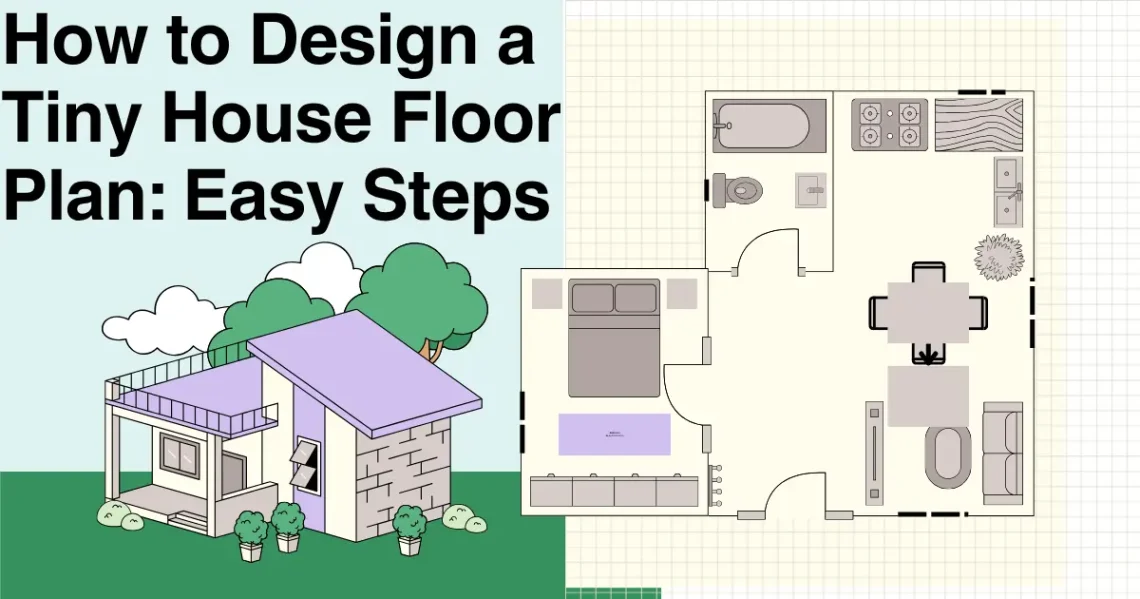

How to Design a Tiny House Floor Plan
Designing a tiny house floor plan is a bit like solving a puzzle, but with a real-life reward: a cozy, efficient, and stylish living space tailored just for you. It can feel overwhelming at first because every inch counts, and the choices you make will impact your comfort and daily routine in ways you might not immediately expect. But here’s the good news—when you break it down into manageable steps, it becomes an exciting creative project rather than a daunting chore.
The key to a successful tiny house floor plan is balance. You want to make sure you have enough space for the essentials without feeling cramped or cluttered. This means focusing on your lifestyle needs first, then figuring out how to fit them into your footprint with smart, flexible design solutions. It’s a process that encourages mindfulness about what really matters to you, which can be both freeing and surprisingly emotional.
You might have heard the phrase “less is more” before, but in tiny house design, that’s not just a saying—it’s a lifestyle choice. Prioritizing what’s essential helps you avoid overwhelm and creates a home that feels peaceful, intentional, and uniquely yours. Plus, a well-thought-out floor plan can actually make a tiny home feel spacious and luxurious despite its size.
So whether you’re dreaming of a rustic cabin, a sleek modern space, or a mobile home on wheels, this guide will walk you through the steps to design a tiny house floor plan that fits your life beautifully. Ready to start? Let’s dive in.
Define Your Needs and Priorities
Before you start sketching walls or choosing finishes, it’s crucial to get clear on your personal needs and priorities. This step is often overlooked but makes a huge difference later on. Think about how you live day-to-day—what activities fill your time? Do you work from home, need space for hobbies, or entertain guests? What’s non-negotiable versus what would just be nice to have?
Assessing your lifestyle is the foundation of a floor plan that works. For example, if cooking is your passion, a spacious kitchen might be more important than a formal dining area. Or if you spend lots of time outdoors, maybe you want a smaller indoor footprint but a larger deck or patio. Everyone’s priorities will be different, so take time to reflect honestly.
It’s also good to consider how many people will live in the space and if that might change. A couple might have different needs than a small family or a solo dweller. Think about sleeping arrangements, privacy, and storage needs accordingly.
Finally, flexibility is key. Your life might shift, so designing spaces that can serve multiple functions can save you a lot of stress down the line. That fold-out desk doubling as a dining table, or a loft bedroom that can convert to storage, might sound trivial now but become lifesavers later.
This stage is about tuning into your own rhythms and desires. It can feel a bit vulnerable to decide what truly matters, but it’s also empowering. You’re crafting a home that fits you, not the other way around.
Assess Your Lifestyle and Daily Habits
Understanding how you spend your time in a home helps you decide which areas deserve the most space and attention. For instance, if you’re someone who loves to cook elaborate meals, you’ll want to allocate more square footage to your kitchen and perhaps invest in quality appliances or smart storage. If you work remotely, a dedicated workspace with good lighting might be essential.
Daily routines reveal the kind of flow you want in your home. Maybe you prefer open areas that foster socializing or quiet nooks for reading and reflection. The idea is to tailor your tiny house so it supports your habits instead of forcing you to adapt.
Try keeping a journal or simply reflecting on a typical day to identify moments when space feels tight or inadequate. These insights are invaluable when mapping out your floor plan.
Decide on Essential Rooms and Functions
Once you understand your lifestyle, the next step is to decide which rooms or zones are truly essential. In tiny houses, this might mean combining functions—like a living room that doubles as a guest bedroom, or a kitchen that flows seamlessly into a workspace.
Essential rooms often include:
- Sleeping area
- Kitchen
- Bathroom
- Living/dining space
But beyond these, think about what’s critical for your comfort and well-being. Do you need extra storage for gear? Space for exercise? A meditation corner?
Remember, in tiny house living, flexibility is a virtue. Multifunctional spaces can help you include more without feeling crowded.
Consider Future Needs and Flexibility
Life changes, and your tiny house should ideally accommodate those changes. Maybe you’ll add a family member, switch careers, or develop new hobbies. Planning with flexibility in mind can save you from costly remodels or compromises later.
Look for ways to design adaptable spaces. For example, a loft might serve as a bedroom now but could become a storage area later. Modular furniture or movable partitions can change a room’s function as needed.
This foresight requires a bit of imagination and honesty about your life’s trajectory. It’s a balance between dreaming big and staying realistic.
Understand Space Constraints and Dimensions
One of the first things to get comfortable with when designing a tiny house floor plan is the reality of space constraints. Tiny homes, by definition, are small—often ranging between 100 to 400 square feet—so every inch needs to be planned with care. Unlike traditional homes where you might have extra room to “fill,” tiny houses require precision and creativity to make the space livable and enjoyable.
Understanding your tiny home’s footprint helps you set realistic expectations about what fits where. It’s easy to dream about a full-sized couch or a large kitchen island, but in a tiny house, those features may not be practical or even possible. Instead, you start thinking about scaled-down, multifunctional pieces and efficient layouts.
Vertical space is often the secret weapon here. Lofted beds, high shelves, and stacked storage help you expand usable room without making the home feel cramped. Ceiling height, roof pitch, and structural considerations will also influence your design options, so it’s important to know these limits early.
Another important factor is local building codes and zoning regulations. Some areas have minimum square footage requirements or restrictions on tiny homes, especially if they’re on wheels. Checking these rules before diving deep into your design can save headaches later.
While it might feel restrictive at first, these limitations can spark innovation. Designing within tight parameters forces you to prioritize what really matters and think outside the box. It’s a challenge that turns into a rewarding process when you see your thoughtfully planned tiny home come to life—small but perfectly suited to you.
Typical Sizes for Tiny Houses
When it comes to designing a tiny house floor plan, knowing typical sizes is a good starting point. Most tiny homes fall somewhere between 100 and 400 square feet. This range might seem tiny compared to traditional houses, but it’s enough space to create a fully functional, cozy living area when planned well.
The size you choose depends on several factors, including your lifestyle, budget, and whether your home will be stationary or mobile. For instance, tiny houses on wheels often max out around 400 square feet due to road regulations, while stationary tiny homes might be able to stretch a bit larger.
It’s important to remember that smaller doesn’t always mean less comfortable. Many tiny house dwellers find that efficient layouts and clever use of space make even the smallest homes feel spacious and inviting. On the flip side, choosing a tiny house that’s too small for your needs can lead to frustration and constant adjustments.
So, when designing your floor plan, think realistically about the size you need to live comfortably but still enjoy the benefits of tiny living.
Importance of Vertical Space and Lofts
Vertical space is a game-changer in tiny house design. Since floor area is limited, going upward lets you reclaim some of that lost room. Lofts are a common way to use vertical space—raising the sleeping area above the living or kitchen space frees up the floor below for other uses.
High ceilings or vaulted roofs can also help a small home feel less claustrophobic. Adding windows or skylights up high brings in light that makes spaces feel larger and more open.
But using vertical space well takes some planning. You’ll need safe, space-saving access to lofts, like ladders or compact stairs, and to consider ceiling height both below and in the loft. Storage can also move upward with tall cabinets or shelves, making use of wall space that would otherwise go unused.
In the end, vertical space maximizes your tiny home’s potential and keeps the design feeling airy and comfortable.
Building Codes and Zoning Regulations Basics
Before falling in love with your dream tiny house floor plan, it’s crucial to understand the legal side—building codes and zoning regulations. These rules vary widely depending on where you live and whether your tiny home is mobile or stationary.
Some places require a minimum square footage for residential buildings, which can affect your design or even the feasibility of your tiny home. Others might have restrictions on where you can park or place a tiny house, what kind of foundation it needs, or how utilities are connected.
It’s a good idea to contact local authorities or a knowledgeable professional early in the planning process. That way, you can design within the rules and avoid costly revisions or legal issues down the road.
While regulations might feel limiting, they often exist for safety and community planning reasons. Working with them rather than against them helps ensure your tiny home is both livable and legal.
Choose an Open vs. Divided Floor Plan
One of the biggest decisions when designing your tiny house floor plan is whether to go with an open layout or include divided spaces. Each approach has its perks and challenges, and the best choice really depends on your lifestyle, privacy needs, and how you want your home to feel.
Open floor plans are super popular in tiny homes because they make the space feel larger and more connected. Without walls breaking up the rooms, natural light flows freely, and you can easily move around. It encourages social interaction and makes even the smallest footprint feel breathable and airy.
But openness isn’t for everyone. Sometimes you need separation—for privacy, noise control, or to create cozy zones. Divided floor plans use walls, curtains, or partitions to carve out spaces like bedrooms or work areas. This can help with focus, rest, or simply giving you a break from the “open” feeling when you want it.
Many modern tiny houses find a middle ground by using partial walls, sliding doors, or lofted spaces to create separation without sacrificing openness. It’s about balancing light, flow, and privacy.
Whichever you choose, think about how you move through your day and what environments help you feel most comfortable and relaxed. Your floor plan should support your habits and needs—not restrict them.
Pros and Cons of Open Floor Plans
Open floor plans can make a tiny house feel spacious and inviting. Without barriers, the living, dining, and kitchen areas blend seamlessly, maximizing every inch visually and physically. They’re great for entertaining or for people who prefer a communal, airy vibe.
However, open layouts can sometimes feel noisy or lack privacy. Cooking smells, loud music, or different activities all happen in the same space, which can be overwhelming if you crave solitude or quiet zones.
In tiny spaces, open plans work best when thoughtfully designed with zoning cues like rugs, furniture arrangement, or lighting to define different areas.
When to Add Partitions or Private Areas
Partitions and private areas are vital when you need separation for sleep, work, or privacy. Adding a wall, curtain, or sliding door around a bedroom or bathroom can create a retreat from the rest of the home.
Private zones help reduce noise, block distractions, and provide a sense of personal space, which is important even in tiny homes. For couples or roommates, this separation is often a must.
Choosing lightweight or movable partitions can give flexibility—you can open up the space during the day and close it off at night. Lofted bedrooms also offer privacy while preserving floor space.
Plan Multi-Functional and Flexible Spaces
In tiny house design, versatility isn’t just a bonus—it’s a necessity. Planning multi-functional and flexible spaces means your home can easily adapt to different activities without feeling cluttered or cramped. It’s about making every corner work harder so you can live comfortably, no matter what your day looks like.
Think of a living area that can quickly transform into a guest bedroom with a fold-out sofa, or a dining table that doubles as a workspace for remote work or hobbies. These spaces flex with you, giving you freedom without needing extra square footage.
Flexibility also means being open to creative solutions—like Murphy beds that fold into walls, tables that collapse after meals, or stairs that hide storage underneath. With thoughtful design, your home becomes a chameleon, shifting to meet your needs.
The beauty of flexible spaces is that they invite you to rethink traditional room functions. A corner nook might serve as a cozy reading spot by day and a meditation area by night. A kitchen island can be a food prep station, a dining table, and a spot to chat with friends.
When you plan for flexibility, you reduce the pressure to have “just the right amount” of space for each activity. Instead, you create a dynamic environment where your home grows and shrinks with your life.
Furniture That Doubles as Storage or Sleeping
One of the most important strategies in tiny house design is choosing furniture that multitasks. Beds that lift up to reveal storage underneath, ottomans with hidden compartments, or benches that open up for blankets and pillows save precious space.
Sofa beds or futons allow your living room to turn into a guest bedroom at a moment’s notice. Fold-down tables and wall-mounted desks open up floor space when not in use. This kind of smart furniture keeps your home feeling uncluttered and maximizes every inch.
The key is to find pieces that fit your style and needs without making the space feel crowded or awkward. When furniture serves more than one purpose, it frees up room for other essentials and makes living tiny feel much easier.
Foldable and Convertible Elements
Foldable and convertible elements take flexibility to another level. Items like Murphy beds fold neatly into walls, freeing floor space during the day. Folding chairs and tables can be stowed away when not needed, allowing open areas for movement or activities.
Convertible features let you customize your space on the fly. A kitchen island might roll away to create a dance floor. A wall-mounted desk can fold down for work, then tuck up to open the room. These adaptable pieces empower you to make the most of every square foot.
The challenge is to balance convenience with ease of use. If something is too complicated or heavy to move regularly, you might avoid using it, defeating the purpose. So designing foldable elements with practicality in mind is key to success.
Creating Zones for Different Activities
Even in a tiny home, carving out zones for different activities helps keep your life organized and mentally balanced. A sleeping area, a cooking space, a work nook, and a relaxation corner all have different vibes and needs.
You can use furniture placement, rugs, lighting, or partial screens to define these zones without full walls. This creates a sense of order and helps your brain switch gears between tasks and rest.
Zones don’t have to be rigid—they can overlap or change throughout the day. The goal is to make your home feel like it supports your routines and moods, no matter how small the space.
Optimize Storage Solutions
Storage is a major challenge—and opportunity—in tiny house design. Because when every inch counts, you want to make sure you’re using space as wisely as possible. Optimizing storage means finding clever spots to tuck away your belongings so your home stays tidy, functional, and peaceful.
In tiny homes, traditional bulky closets or cabinets often won’t cut it. Instead, you need to think beyond the obvious. Built-ins are your best friend—custom shelves that fit perfectly into nooks, stairs that double as drawers, or benches with hidden compartments. These solutions blend storage seamlessly into your design so nothing feels out of place or cluttered.
Another key is to use vertical space. Tall shelves, hooks, and wall-mounted storage take advantage of walls that might otherwise be wasted. Overhead cabinets or hanging racks in the kitchen can free up counter space, while under-bed storage keeps seasonal items out of sight.
The mindset around storage in tiny homes also shifts. You’re encouraged to keep only what you truly need or love, which means less clutter and more breathing room. Adopting minimalist principles goes hand in hand with smart storage design.
Organizers, baskets, and modular containers help keep everything in its place, making small spaces feel larger and more welcoming.
Optimizing storage isn’t just about cramming stuff in—it’s about creating a calm, ordered environment where you can find what you need easily and enjoy your space fully.
Built-ins and Hidden Storage Ideas
Built-in storage is the ultimate tiny house hack. Custom cabinets, drawers under seating, or shelves built into walls save space by fitting exactly where they’re needed without wasting inches.
Hidden storage is equally clever—think of toe-kick drawers under cabinets, staircases with pull-out drawers, or beds that lift up to reveal a storage pit. These features keep your belongings out of sight but always accessible.
The beauty is that built-ins can be designed to match your style, so they look like part of your home rather than clutter or afterthoughts.
Using Stairs, Under-Bed, and Ceiling Space
Stairs aren’t just for getting up and down—they can become storage units too. Drawers, cupboards, or shelves built into stair risers maximize functionality without eating up extra space.
Under-bed storage is perfect for things you don’t need every day, like seasonal clothes, extra linens, or gear. Lifting platforms or beds on casters make access easy.
Ceiling space is often overlooked but can be great for hanging storage, like racks for pots and pans or overhead nets for lightweight items.
Using these areas creatively frees up floorspace, making your tiny house feel roomier and more organized.
Decluttering Mindset and Minimalism
Effective storage also means learning to let go. A decluttering mindset is essential for tiny house living. It encourages you to keep only what adds value or joy to your life.
Minimalism isn’t about deprivation—it’s about making space for what matters most. When your belongings are intentional, it’s easier to store them neatly and find them quickly.
This mindset shift can be challenging but also incredibly rewarding, leading to a simpler, more peaceful home.
Maximize Natural Light and Ventilation
Natural light and fresh air are absolute game-changers in tiny house design. Because your space is small, bringing in as much daylight as possible can make it feel larger, warmer, and more welcoming. Good ventilation, meanwhile, keeps the air fresh and helps prevent moisture buildup, which is especially important in compact living.
Window placement is key. Strategically locating windows on multiple sides of the house allows sunlight to pour in throughout the day, reducing the need for artificial lighting and creating a connection to the outdoors. Larger windows or even sliding glass doors can open your space visually and physically, making your tiny home feel more expansive.
Skylights are another fantastic option, especially in lofted areas where wall space for windows might be limited. They invite light from above and add a unique architectural element to your design.
Ventilation options like operable windows, vents, or small exhaust fans help circulate air and prevent stuffiness. Cross-ventilation—placing windows or vents on opposite sides—encourages natural airflow that refreshes your space.
Connecting indoor and outdoor living areas, such as with a deck or patio accessible through sliding doors, expands your living space and enhances ventilation and light.
Prioritizing natural light and ventilation not only improves comfort but also contributes to better mental health and energy efficiency, making your tiny house a happier, healthier place to live.
Window Placement Tips
When planning your floor plan, think about the sun’s path and how light moves through your space during the day. Positioning windows to catch morning or afternoon sun can brighten key living areas.
Avoid placing too many windows on walls that face extreme weather to minimize heat loss or gain. Using operable windows where you spend most time lets you control airflow easily.
Consider window size carefully—too small, and they don’t bring in enough light; too large, and you might lose privacy or wall space for furniture.
Skylights and Ventilation Options
Skylights are a wonderful way to bring natural light into lofts, bathrooms, or narrow hallways. They can brighten spaces that regular windows can’t reach.
For ventilation, options range from simple opening windows to mechanical fans. Installing vents near cooking areas and bathrooms helps remove moisture and odors.
Cross-ventilation is ideal—having openings on opposite walls encourages airflow and keeps the air fresh.
Connecting Indoor and Outdoor Spaces
Sliding glass doors, French doors, or folding walls can create a seamless flow between your tiny house interior and outdoor living spaces.
Outdoor decks or patios act as extensions of your home, giving you more room to relax, dine, or entertain.
This connection also boosts natural light and ventilation indoors, making your home feel more open and inviting.
Conclusion
Designing a tiny house floor plan is both a challenge and a rewarding adventure. It asks you to be intentional, creative, and mindful about how you use every inch of your space. By defining your needs, understanding space constraints, and embracing flexibility, you can craft a home that feels spacious, comfortable, and perfectly suited to your lifestyle.
Remember, it’s not about squeezing as much as possible into a small footprint but about making smart choices that improve your daily life. Prioritizing natural light, optimizing storage, and planning multi-functional spaces help tiny homes feel much larger than their size suggests. Whether you’re dreaming of a stationary cabin or a mobile home on wheels, your thoughtful floor plan will be the foundation for a simpler, happier way of living.
FAQs
1. How big should my tiny house floor plan be?
Most tiny houses range from 100 to 400 square feet. The ideal size depends on your lifestyle, budget, and local regulations.
2. Can I design a tiny house floor plan myself?
Absolutely! With some research, planning, and possibly using simple design tools, you can create a floor plan that fits your needs perfectly.
3. What’s the best way to maximize space in a tiny house?
Using vertical space, multi-functional furniture, and built-in storage are key strategies to make your tiny house feel spacious and organized.
4. How important is natural light in tiny house design?
Very important! Natural light opens up the space, makes it feel larger and more inviting, and improves your mood and well-being.
5. Are there common mistakes to avoid when designing a tiny house floor plan?
Yes—overloading the space with furniture, ignoring storage needs, and not planning for ventilation and lighting are common pitfalls.