
Introduction
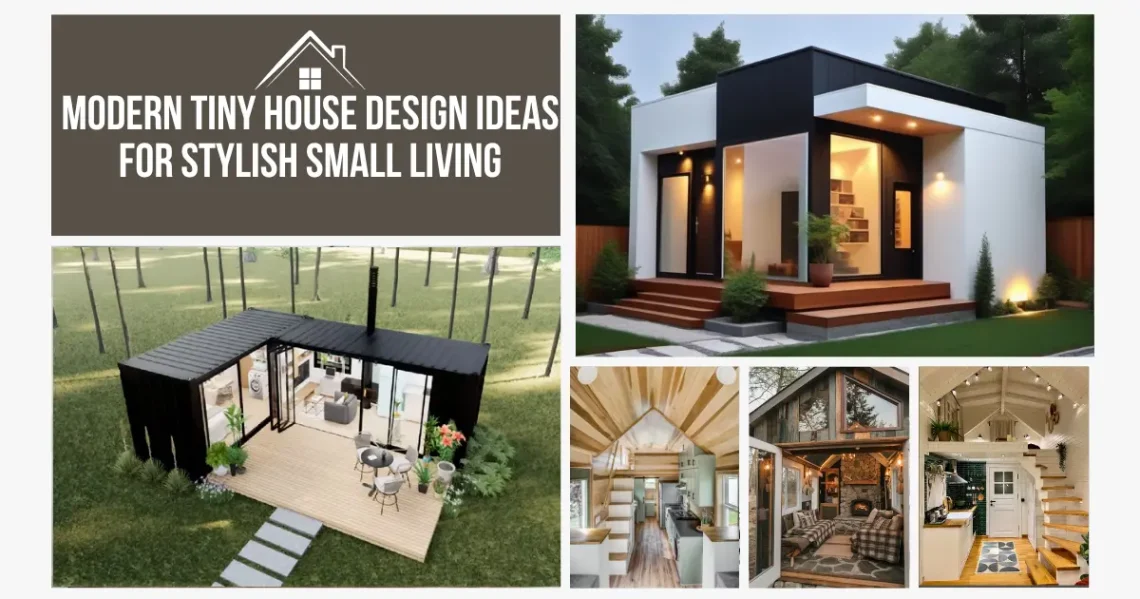
Modern tiny house design is more than just a trend—it’s a response to how our lives, values, and dreams are evolving. With the chaos of modern life, the idea of living smaller, simpler, and smarter has begun to truly resonate with people all around the world. It’s not just about having less; it’s about making space for what truly matters. And that’s exactly what modern tiny houses offer—a lifestyle choice that reflects intentional living, smart use of space, and thoughtful design.
The term “modern” in this context doesn’t only refer to aesthetics—although that does play a big part. It’s about the mindset too. Modern tiny house design focuses on innovation, sustainability, and minimalism. Clean lines, open spaces, lots of natural light, and multi-functional elements are all part of the package. These homes are proof that style doesn’t need square footage to make an impact. Even the smallest spaces can feel expansive and luxurious when designed with purpose.
This style of living has also become a symbol of freedom for many—financial freedom, mobility, and even creative freedom. With skyrocketing housing costs and environmental concerns, people are shifting their idea of what “home” should look and feel like. They’re seeking comfort and function over excess. And honestly, there’s something incredibly peaceful about knowing that everything you own fits perfectly in a beautifully designed space that reflects your personality.
So whether you’re dreaming of a modern tiny house on wheels or a sleek cabin tucked in the woods, this design philosophy invites you to live better with less. It’s not about sacrifice—it’s about choice. You’re choosing a life of clarity, creativity, and calm. Ready to explore the details? Let’s dig into the benefits first.
Benefits of Modern Tiny House Design
Let’s talk about the real, personal benefits of choosing a modern tiny house design—beyond just the aesthetics and Pinterest boards (though those are fun too). When you opt for this kind of lifestyle, you’re not just downsizing your living space—you’re often upgrading your quality of life. It’s like making a little trade-off with the universe: less clutter, more clarity. Less square footage, more freedom.
One of the biggest benefits is how intentional everything becomes. Every item, every corner, and every choice has a purpose. That creates this deep sense of mindfulness that slowly seeps into other areas of your life. Suddenly, you start asking yourself, “Do I really need this?” And that question alone can be life-changing.
Financially, modern tiny house living can be a huge relief. Whether you’re building from scratch or buying a pre-designed model, the costs are often significantly lower than traditional homes. Plus, lower utility bills, reduced maintenance, and minimal furnishings add up to big savings over time. It gives many people a chance to finally breathe—to live without the constant pressure of debt or excessive expenses.
And then there’s the flexibility. Modern tiny homes are often mobile or easily adaptable, meaning you can take your home wherever your heart leads. Love the forest? Park it there. Want ocean views? Go for it. Your home, your rules.
Also—let’s not forget about the environmental angle. Less space means less consumption, and many modern designs incorporate eco-friendly features like solar panels, composting toilets, and sustainable materials. It’s a small home with a smaller footprint, but a bigger impact on how we treat our planet.
Above all, modern tiny house design helps you live a life that feels lighter, freer, and more you. And isn’t that what home should feel like?
Maximizing Functionality in Small Spaces
When you’re working with limited space, every inch matters. That’s why maximizing functionality in small spaces is at the heart of modern tiny house design. It’s not just about making things fit—it’s about making them work beautifully. And honestly, there’s something so satisfying about walking into a tiny home where everything has its place, its purpose, and often—more than one function.
Picture this: a staircase that also serves as storage drawers, a sofa that folds out into a bed, or a dining table that tucks neatly into the wall when not in use. These aren’t gimmicks—they’re carefully thought-out solutions to everyday living challenges. It’s like living in a puzzle where everything clicks into place just right.
What really makes functionality shine in a tiny home is the intentionality behind each design choice. Instead of “How much can we fit in here?”, the question becomes “What do I actually need?” That subtle shift changes everything. Suddenly, your kitchen only has the appliances you use regularly. Your closet holds just the clothes you love. The result? A home that feels less chaotic and more peaceful.
It’s not just about furniture either. Lighting, layout, and movement flow all play a role in how a small space feels. A well-placed window can open up a room. A lofted bed can free up the floor. Smart storage like toe-kick drawers or under-bench compartments can eliminate clutter without making the space feel cramped.
The beauty of it all? You don’t sacrifice comfort for size. In fact, when everything is designed with purpose, a tiny house can feel more livable than a large one. It’s cozy without being crowded. Efficient without feeling rigid. And that’s the kind of functionality that actually improves your day-to-day life.
Energy Efficiency and Sustainability
Now, let’s dive into one of the most meaningful aspects of modern tiny house design—energy efficiency and sustainability. This isn’t just a buzzword combo. It’s a mindset shift that turns everyday living into something that feels not only lighter on the planet but also gentler on your wallet—and your soul, too, to be honest.
Tiny homes, by nature, use less energy than traditional homes. That’s kind of obvious, right? Smaller spaces need less power to heat and cool. But modern design takes it further by intentionally incorporating green features right from the blueprint stage. We’re talking about solar panels, energy-efficient insulation, LED lighting, low-flow water systems, composting toilets—the works.
And it’s not just about using less. It’s about wasting less, too. Many modern tiny homes are built with sustainable or reclaimed materials—think bamboo flooring, recycled metal roofs, or repurposed wood siding. These choices give new life to old materials and reduce the environmental impact of building from scratch. It’s like each nail and board is part of a bigger story of conscious living.
The bonus? Lower utility bills. You’re not just saving the planet—you’re saving your hard-earned money month after month. Some tiny homeowners report electric bills that are less than a cup of coffee. Imagine that. And if you go off-grid, you might not even have a bill at all.
But beyond numbers and systems, there’s this quiet pride that comes from knowing your home reflects your values. That you’re living in a way that respects nature rather than exploiting it. And even if you make a few mistakes along the way (we all do), the effort still counts.
Cost-Effective Yet Stylish Living
Here’s the thing—downsizing your space doesn’t mean downsizing your style. In fact, cost-effective yet stylish living is one of the most appealing benefits of modern tiny house design. You get to live beautifully, without breaking the bank. And honestly? There’s something deeply empowering about creating a home that feels luxurious… on a budget.
Let’s clear something up first. “Affordable” doesn’t mean “cheap.” It means smart. It means intentional. Modern tiny house design focuses on value, not volume. Instead of filling a space with things just to make it look full, it encourages you to invest in fewer, higher-quality pieces that really matter to you. Maybe it’s a handmade pendant light. Or custom cabinets. Or even just a cozy reading nook with the perfect view. These little choices make a big impact—and they don’t have to cost a fortune.
And with a smaller space, your budget stretches further. That beautiful tile you fell in love with? You might only need a few square feet of it. Want solid wood floors? You can afford them when you’re covering a third of the space a traditional home would need. Even luxurious finishes like quartz countertops or high-end hardware become more accessible in a tiny home.
Design-wise, modern aesthetics lean toward minimalism—think clean lines, neutral palettes, layered textures—which actually pairs really well with a budget-conscious mindset. You don’t need ten throw pillows. You just need the right one. It’s all about thoughtful curation over clutter.
The result is a home that feels refined, cozy, and 100% you—without the financial stress that often comes with “dream home” living. Stylish doesn’t mean showy. It means intentional. And in a modern tiny house, every stylish detail gets the spotlight it deserves.
Key Features of Modern Tiny House Design
Modern tiny house design is kind of like magic—you step into a small space and somehow, it feels… big. Not in square footage, but in function, light, comfort, and even luxury. That’s because these homes are thoughtfully designed to maximize both beauty and practicality. They’re proof that a well-designed 200-square-foot home can feel more livable than a cluttered 1,200-square-foot apartment.
So what makes a tiny house truly modern? First, it’s all about clean lines and open spaces. Gone are the bulky walls, heavy furniture, and outdated layouts. Instead, you’ll find open floor plans that make even the tiniest of homes feel airy and spacious. That’s usually paired with a neutral or light color palette—whites, soft greys, natural wood tones—to reflect light and create the illusion of more space.
But it’s not just about aesthetics. Functionality takes center stage. Think hidden storage under stairs, convertible furniture (like a couch that turns into a bed or a table that folds into the wall), and custom-built shelves that use every nook wisely. Every square inch is used intentionally, and often—surprisingly—you’ll find space left open to let the home breathe.
Then there’s natural light. Lots of it. Large windows, skylights, and glass doors are staples in modern tiny homes. Not only do they make the space feel bigger, but they also connect you to the outdoors—an important part of the tiny living lifestyle.
Sustainability also plays a big role. Many modern tiny homes use eco-conscious materials, off-grid systems, and energy-saving appliances. They’re not just stylish—they’re smart.
Minimalist Interiors
There’s something about minimalist interiors in a modern tiny house that just feels right. Not empty. Not cold. Just intentional. When space is limited, you begin to understand the power of less—and in doing so, you discover a new kind of beauty that’s quiet, grounding, and deeply calming.
Minimalism doesn’t mean living without personality. It means curating your space with care. It’s about asking yourself, “Does this item add value to my day?” If it doesn’t—out it goes. What’s left behind are the things you genuinely love or need. And because there’s less visual clutter, everything that remains has a chance to shine.
Modern tiny house interiors that follow minimalist design often use neutral tones—soft whites, gentle greys, warm woods—to create a sense of calm. Clean lines in furniture and finishes help keep the eyes from getting overwhelmed, while open layouts encourage free movement. There’s no unnecessary wall breaking up the flow, no heavy furniture blocking the light. It all feels cohesive and breathable.
But the real beauty of minimalist interiors? They make your space feel larger. By keeping decor streamlined and purposeful, a tiny home can actually feel open and inviting, not cramped or confined. A well-placed plant, a single piece of art, or a favorite throw blanket can carry much more emotional weight in a minimalist space than a dozen random items ever could.
It’s not about being trendy. It’s about clarity—mental and physical. And in a world where everything feels so loud and fast, stepping into a minimalist tiny house feels like a gentle pause.
Open Floor Plans
If there’s one feature that gives modern tiny houses their signature sense of freedom and airiness, it’s definitely open floor plans. When done right, they can make even the smallest spaces feel expansive, fluid, and inviting. It’s like breathing room—for both your body and your mind.
So, what exactly is an open floor plan in a tiny house? It’s the removal of unnecessary walls and barriers between living areas. Instead of a boxed-in kitchen, a walled-off bedroom, and a cramped little hallway in between, you get one open, flowing space that includes your living, dining, and cooking areas all in harmony. It encourages movement, conversation, and a more connected kind of living.
This layout also maximizes visual space. When your eyes can travel uninterrupted across the entire width of the home, the whole space just feels larger. Add in high ceilings or a skylight, and it’s like a breath of fresh air inside your four walls. You’re no longer limited by square footage—you’re expanding vertically and visually.
From a design point of view, open plans offer flexibility. Want to add a reading nook next to the kitchen? Go ahead. Need a fold-out desk that turns your living space into an office? No problem. With fewer structural limitations, your tiny home becomes a blank canvas that adapts to your lifestyle, not the other way around.
Sure, you’ll still want some privacy—usually in the bathroom or sleeping area—but with clever design tricks like partial dividers, curtains, or lofts, you can keep the openness while still carving out cozy corners.
An open floor plan isn’t just a design choice. It’s a philosophy of togetherness, fluidity, and ease. And it makes everyday life in a tiny home feel more spacious, more livable, and honestly—more joyful.
Multipurpose Furniture and Built-ins
Here’s where things get really clever—multipurpose furniture and built-ins are the unsung heroes of modern tiny house design. They do the heavy lifting (literally and figuratively) when it comes to making a small space feel both functional and fabulous. It’s like living inside a Swiss Army knife—everything has a secret, useful twist.
You’ll find that in tiny homes, furniture doesn’t just sit pretty—it works hard. A dining table might double as a desk. A couch could open into a guest bed. A stair might contain drawers, and a mirror might hide a spice rack (yes, seriously). It’s this kind of smart design that turns limitations into opportunities for creativity.
Built-ins are another game-changer. Instead of squeezing in standard furniture that never quite fits, built-ins are designed to blend seamlessly into your home’s layout. Think under-bed storage that slides out like drawers, window seats with hidden compartments, or a fold-out ironing board tucked into a cabinet door. They’re sleek, space-saving, and totally satisfying.
The best part? These solutions don’t look clunky or make-shift. In modern design, form meets function in a stylish, minimal way. Materials are thoughtfully chosen to complement the space—smooth wood grains, soft textiles, neutral tones—and the result feels cohesive and well-balanced, not cramped or overloaded.
Multipurpose pieces also give you flexibility. If you work from home one day and host a friend the next, your space adapts with you. There’s a certain kind of peace that comes from knowing your home can shift and transform based on your needs.
Ultimately, every inch of your tiny home is valuable, and multipurpose furniture ensures that no space goes to waste. It’s not just efficient—it’s empowering.
Large Windows and Natural Light
Let’s be honest—light changes everything. In modern tiny house design, large windows and natural light aren’t just design choices—they’re essential elements that breathe life into small spaces. If you’ve ever stepped into a tiny home filled with sunshine, you know exactly what I mean. It doesn’t feel small. It feels open, calm, and kind of magical.
Windows are like little (or big!) invitations to the outdoors. They blur the line between inside and outside, making a compact space feel twice its size. It’s a trick of the eye, sure—but it’s also an emotional shift. Natural light lifts your mood, boosts productivity, and makes everything—from your breakfast to your bookshelf—look better. It’s light therapy and design rolled into one.
Modern tiny houses often use floor-to-ceiling windows, skylights, glass doors, or even clerestory windows (those high, horizontal ones) to maximize light without sacrificing privacy. You’ll find windows strategically placed to catch sunrise in the kitchen or sunset in the loft. Some designers even align windows across from each other to create airflow and cross-lighting. It’s smart, it’s stylish, and it feels like a warm embrace.
And let’s not ignore the aesthetics. Large windows let your surroundings become part of the decor. Whether you’re parked in a forest, on a cliffside, or in your backyard, your view becomes your artwork. You’re not just in a tiny house—you’re immersed in the environment around it.
Of course, the practical side matters too. With all that daylight flooding in, you save on electricity. No need for lamps during the day, and depending on the climate, passive solar heat can help with warmth too.
Smart Storage Solutions
In a modern tiny house, smart storage solutions aren’t just nice to have—they’re absolutely essential. Because when your entire home might be smaller than someone’s living room, you’ve got to get creative. And surprisingly? That’s where the fun begins.
Storage in a tiny home isn’t just about stuffing things out of sight. It’s about designing your space in a way that supports how you actually live, without adding clutter. It’s about asking, “Where can this go?” and then answering that question in the most brilliant, unexpected way possible.
Take your staircase, for example. In a modern tiny house, that might double as a dresser, a bookshelf, or even a closet. Steps become drawers. Platforms become cabinets. Toe-kicks under kitchen counters might hold baking trays, and ceilings might hold hanging baskets or hidden shelving. You’ll even find storage behind mirrors, under floors, and built into headboards. It’s like a treasure hunt of efficiency.
But what makes storage truly smart is that it’s both functional and beautiful. In modern design, clean lines and minimalism reign, so storage often blends seamlessly into the look of the space. Hidden handles, soft-close drawers, and built-in shelving create a streamlined aesthetic that doesn’t scream, “I’m trying to hide stuff!” It just works—quietly and efficiently.
Smart storage also forces you to live more intentionally. You become aware of what you truly use and love—and what you don’t. Suddenly, you’re not hoarding five coffee mugs “just in case.” You’re choosing one or two that bring you joy and letting go of the rest.
Ultimately, these clever storage ideas give you something most people long for in larger homes: clarity. And that kind of peace? You can’t put it in a drawer—but a tiny house can give it to you.
Popular Modern Tiny House Design Styles
Modern tiny house design isn’t a one-size-fits-all concept. In fact, one of the most exciting parts about building or styling a tiny home is choosing a look that fits your personal vibe. Whether you lean toward cozy simplicity or something more edgy and industrial, there’s a modern tiny house design style out there that feels just right. And the beauty of it? Even the smallest home can pack a big dose of personality.
Design styles help guide not just the look of your tiny home, but also how it feels to live in it. Do you want something calming and earthy? Maybe a Scandinavian-inspired aesthetic is for you. Prefer something bold and raw? Industrial might be calling your name. There’s no wrong answer here—just what feels most authentic to you.
Each style brings a unique mix of materials, colors, layouts, and mood. And with limited space, every design choice becomes even more important. A single wall color can change the entire tone of your home. The texture of your flooring or cabinetry can either cozy things up or keep it sleek and minimal. Even a light fixture can carry weight.
Another great thing about tiny house design? You can mix and match. A Japandi-style layout with a touch of farmhouse warmth? Absolutely. A modern boho vibe with minimalist bones? Go for it. Tiny homes invite experimentation in a way that bigger spaces sometimes don’t.
Scandinavian-Inspired Designs
Ah, Scandinavian-inspired designs—they’re like a deep exhale in the form of a home. Calm, clean, and comforting, this style has found its perfect match in the world of modern tiny house design. Why? Because it’s all about simplicity, functionality, and warmth—three things every tiny space desperately needs.
At its core, Scandinavian design is minimalist, but never cold. It’s not about stripping everything down to the bare bones—it’s about creating a space that feels airy, intentional, and soothing. Imagine soft white walls, pale wood floors, a few cozy textures like wool throws or linen cushions, and just enough furniture to meet your needs—nothing more, nothing less. It’s that perfect balance between practicality and beauty.
One of the hallmarks of this style is its use of natural light. And in tiny houses, that’s a huge advantage. Large windows, strategically placed skylights, and a bright, neutral color palette all work together to amplify the sense of space. You walk in, and it just feels bigger than it is. Your eyes can breathe.
Functionality is key, too. Scandinavian-inspired tiny homes often feature multipurpose furniture, clever built-ins, and clutter-free layouts. But unlike stark minimalism, this style adds softness through cozy layers and textures. A handwoven rug, a few well-chosen plants, maybe a candle or two—it’s all about the feeling of hygge, that untranslatable Danish word for cozy contentment.
The vibe is peaceful but lived-in, elegant but never fussy. It’s a style that invites you to slow down, curl up with a book, or enjoy a quiet morning with coffee by the window. And honestly? That’s the kind of lifestyle many people dream of when they choose a tiny house in the first place.
Industrial-Chic Tiny Homes
Now let’s turn up the edge a little—Industrial-chic tiny homes are bold, modern, and effortlessly cool. Think exposed steel beams, reclaimed wood, matte black fixtures, and raw textures that say, “I’m small, but I’ve got attitude.” If Scandinavian design is a soft whisper, industrial-chic is more like a confident, gravelly-voiced storyteller.
This style takes its inspiration from converted warehouses and old factories, but in tiny homes, it’s adapted with finesse. One of the key features is the use of raw materials—unfinished concrete, corrugated metal, distressed wood, iron piping. These elements bring a gritty charm that feels grounded, honest, and a little rebellious. It’s imperfect on purpose—and it works.
In a tiny house, industrial design plays especially well because it celebrates function. Pipes aren’t hidden—they’re part of the aesthetic. Lighting fixtures are oversized, bold, and visible. Shelving might be made from steel brackets and reclaimed planks. Everything has a reason for being there, and usually, more than one purpose.
Color schemes lean darker—deep greys, blacks, dark greens, or browns—but the look is balanced with light from big windows or glass garage doors that open the home to the outdoors. High ceilings or vertical space are often used to create that signature airy feeling despite the industrial weight of the materials.
One of the coolest things about this style? It often incorporates reclaimed or repurposed materials, making it eco-friendly and budget-conscious. An old factory cart becomes a coffee table. Salvaged barn wood becomes a loft railing. There’s history in every corner.
Industrial-chic tiny homes are ideal for creatives, urban dwellers, or anyone who wants their home to feel like a mix of structure and soul. They’re tough but thoughtful, simple but dramatic.
Modern Farmhouse Aesthetic
Let’s cozy things up now with one of the most beloved styles in recent years—modern farmhouse aesthetic. It’s where rustic charm meets clean, modern lines. A style that feels both down-to-earth and thoughtfully curated. And when brought into a tiny home? It’s like living inside a warm hug with just the right amount of polish.
What defines a modern farmhouse look in a tiny house? First, natural materials take center stage—weathered wood, shiplap walls, iron fixtures, and maybe even a sliding barn door (because let’s be honest, they never go out of style). These elements add texture, depth, and that touch of vintage soul. But they’re paired with sleek countertops, neutral colors, and streamlined furniture to keep it from feeling too old-fashioned.
The result? A space that feels welcoming and familiar, yet fresh and uncluttered.
One of the great things about the modern farmhouse vibe is how flexible it is. You can keep it more minimal and crisp, or lean into the rustic charm with antiques and handmade touches. Think whitewashed walls, open wooden shelving, cozy fabrics, and maybe a little greenery here and there. There’s often a mix of metals and woods—soft gold handles on deep oak cabinets, or matte black faucets against a marble sink.
And yes, even in a tiny home, you can capture that dreamy farmhouse kitchen feel. Open shelving, apron-front sinks, and compact butcher-block islands work perfectly in small-scale versions. It’s all about warmth and livability.
This aesthetic feels especially good for people who want their tiny house to feel like a true home—not just a design project. It invites slow mornings, handwritten notes on the fridge, and dinners made from scratch.
Japandi and Zen Minimalism
Now, take a deep breath. The Japandi and Zen minimalism style is like a quiet sigh of relief—calm, balanced, and deeply grounding. This design aesthetic blends the clean simplicity of Japanese design with the cozy functionality of Scandinavian interiors. It’s thoughtful. It’s elegant. And it’s perfect for tiny living.
In a Japandi-style tiny house, less truly becomes more. Every detail feels intentional. The color palette is soothing—think soft neutrals, muted earth tones, warm woods, and touches of charcoal or deep indigo. Nothing shouts. Nothing overwhelms. The atmosphere is gentle, natural, and serene. It’s a style that doesn’t just look peaceful—it helps you feel peaceful.
What sets Japandi apart from typical minimalism is its emphasis on comfort. You’ll still find clean lines, low furniture, and lots of open space, but it’s paired with cozy textures—linen cushions, tatami-style rugs, handcrafted pottery. It’s simplicity without coldness. Restraint, without emptiness.
This design style thrives in tiny homes because it values quality over quantity. One beautiful table instead of three cheap ones. A handcrafted tea set rather than a cluttered cupboard full of mismatched mugs. Even in 200 square feet, a Japandi space can feel luxurious, because every item has meaning—and space to breathe.
Zen minimalism also encourages a connection with nature. Large windows frame outdoor views, sliding doors open to a small deck or garden, and natural materials like bamboo, clay, or stone show up in subtle ways. The goal is not just to design a home, but to create a sanctuary.
This style is especially ideal for those seeking mental clarity and emotional calm in their daily life. It’s gentle, grounded, and soulfully simple.
Innovative Layout Ideas for Modern Tiny Houses
Designing a modern tiny house isn’t just about picking pretty materials or stylish furniture—it’s about how you arrange everything so it feels spacious, functional, and comfortable. Because when you’re working with such limited square footage, the layout can make or break your experience living there.
One of the coolest things about modern tiny house layouts is how creative they get with vertical space. For example, loft bedrooms are a game-changer. By raising the sleeping area above the living space, you free up valuable floor space for a kitchen, dining area, or workspace below. Access is often via ladders or stairs, which might double as storage—talk about efficiency!
Flexible, multi-use spaces are another hallmark. Your living room might transform into a guest bedroom with a pull-out couch or fold-down bed. Dining tables can fold up or slide away to clear space for yoga or hobbies. This adaptability means your home fits your lifestyle rather than forcing you to fit your life inside.
Outdoor connections are also big in modern layouts. Fold-out decks or sliding glass doors create seamless transitions between inside and outside, expanding your living area and bringing in fresh air and sunlight. In tiny living, outdoor space is often treated as an essential “room” that boosts your square footage in a natural, enjoyable way.
Then there are clever kitchen and bathroom designs that pack all the essentials into compact, ergonomic setups. Think pull-out pantries, corner sinks, or wet baths where the shower and toilet share the same waterproofed space. These innovations maximize comfort without crowding you.
Lastly, storage is integrated throughout—hidden compartments under stairs, built-in benches, and walls lined with shelves—so you don’t lose precious space to clutter.
All these ideas come together to create a tiny home that feels much larger than its footprint. It’s about smart design, thoughtful details, and creating a space that’s truly liveable.
Conclusion
Modern tiny house design is much more than just fitting a home into a smaller space—it’s about rethinking how we live, what we value, and how we create comfort and style in every square foot. From maximizing functionality and embracing sustainable choices to blending thoughtful aesthetics with smart layouts, modern tiny houses show us that less can truly be more. They offer freedom, flexibility, and a fresh perspective on home life, whether stationary or on wheels. Choosing a modern tiny house means choosing intentional living, where every corner, every detail, and every moment counts. It’s not just a trend—it’s a lifestyle that invites simplicity, creativity, and peace.
FAQs
1. What is the average size of a modern tiny house?
Most modern tiny houses range from about 100 to 400 square feet. The exact size depends on your lifestyle needs and whether you want a loft, extra storage, or mobility features.
2. Can a modern tiny house be off-grid?
Yes! Many modern tiny houses incorporate off-grid features like solar panels, rainwater collection, and composting toilets, making them self-sufficient and environmentally friendly.
3. Are modern tiny houses legal everywhere?
Regulations vary widely by location. Some cities and counties allow tiny houses on foundations or wheels, while others have zoning restrictions. Always check local laws before building or moving a tiny home.
4. How much does it cost to build a modern tiny house?
Costs can vary widely based on materials, design complexity, and whether you DIY or hire professionals. On average, building a modern tiny house can range from $30,000 to $100,000 or more.
5. Is living in a modern tiny house comfortable for families?
While tiny houses are often designed for singles or couples, some layouts and designs can accommodate small families comfortably by using creative space solutions like lofts and multipurpose rooms.