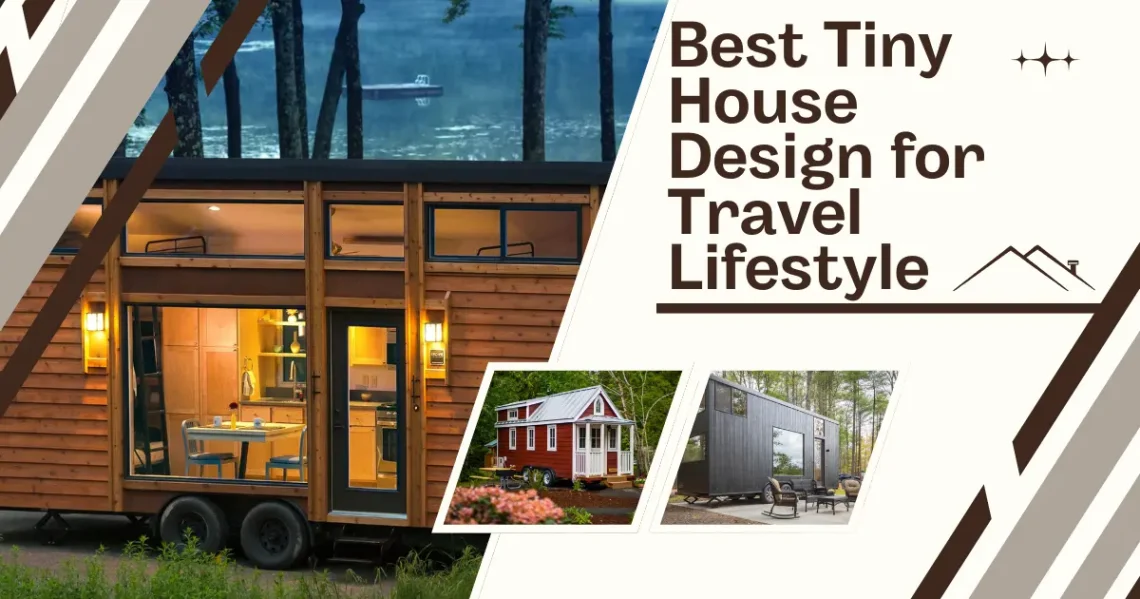

Best Tiny House Design for Travel
Designing a tiny house that suits travel isn’t just about squeezing everything into a small space. It’s more like creating a little world that moves with you. You’ve probably seen those cute, compact homes hitched to a truck and imagined what it’d be like to take your whole life on the road. Well, turns out, a good tiny house design for travel is more than just wheels and walls.
At its heart, the best travel-ready tiny house is lightweight, practical, and comfortable enough to make you feel at home wherever you park it. It should be road-legal, easy to tow, and designed to handle various terrains and weather conditions. That means durable materials, a solid frame, and insulation that keeps you cool in the summer and warm in winter.
But comfort’s not just about climate. Inside, it needs to be cleverly laid out—every inch has to count. You want a cozy bed that doesn’t eat up all your floor space, a kitchen that’s functional but compact, and storage that’s hidden in plain sight. Oh, and let’s not forget the bathroom—yes, a real one, preferably with a composting toilet if you’re planning to go off-grid.
Some people lean into modern, sleek designs, while others love the rustic charm of woodsy cabins. Whatever your style, the key is to keep it personal and practical. You’re designing a life on wheels, after all. It’s not about perfection; it’s about freedom, flexibility, and a little bit of fun.
And let’s be honest—things might rattle, you’ll probably forget to latch a cabinet now and then, but that’s all part of the adventure. That’s what makes tiny house travel so unique. It’s not just a way to live—it’s a way to explore.
Key Features of the Best Tiny House for Travel
When it comes to traveling with a tiny house, not every design will cut it. There’s a big difference between a stationary tiny home and one that’s ready to hit the road. The best travel-friendly tiny house design has a few key features that make life easier, safer, and honestly, more enjoyable on the move.
First off, weight matters—a lot. If the house is too heavy, it’s going to be tough to tow, not to mention it’ll suck up gas and put a ton of strain on your vehicle. Lighter materials like aluminum frames or SIP panels (okay, sorry for the fancy term—just know they’re strong but light) make a big difference. Some folks even skip certain luxuries just to save on pounds, like swapping out real tile for faux finishes that look just as nice.
Then there’s the layout. Every square inch has to be used wisely. A pull-out table that doubles as a desk, stairs with built-in drawers, or a couch that flips into a bed—these kinds of space-saving tricks are essential. The design should feel open, not cramped, even though you’re working with limited room.
And don’t forget the essentials for off-grid travel. Solar panels, a composting toilet, a water filtration system—these aren’t just nice to have, they’re often the only way to stay self-sufficient when you’re parked far from civilization.
Also, a good travel tiny house needs to stay legal on the road. That means sticking to size restrictions and making sure everything’s secure for transit. The last thing anyone wants is flying dishes on the highway—yikes.
So yeah, it’s not just about looking cute. These features are what keep your tiny home rolling smoothly from one adventure to the next.
Lightweight and Towable Structure
If you’re dreaming of pulling your home behind your truck and heading off to new places every other week, then the first thing you need to think about is weight. A lightweight and towable structure is non-negotiable for a tiny house built for travel. It’s honestly where a lot of people go wrong—they build a gorgeous house, but it ends up being way too heavy to tow safely or efficiently.
Let’s break it down a bit. Every towing vehicle has a maximum weight it can safely haul, and your tiny house has to stay under that. So the materials used in construction matter big time. Steel frames are strong but heavier; aluminum or SIPs (Structural Insulated Panels—yeah, kind of a mouthful) are lighter and still tough. Wood looks pretty, but too much of it can stack on the pounds. It’s all about balance.
Also, size affects towability. Most travel-ready tiny homes stick to around 8.5 feet wide and 13.5 feet tall, so they don’t require special permits. Once you go wider or taller, you’re looking at extra paperwork and route planning—not exactly spontaneous travel vibes.
Beyond size and weight, there’s the trailer itself. It should be sturdy, have solid axles, and be rated for the weight of your house. A well-balanced house is also crucial—too much weight in the back, and it can sway dangerously while driving. Yikes.
Honestly, it can feel a bit like doing a puzzle. You want all the comforts of home, but packed into a frame that won’t ruin your truck or break the law. It’s totally doable—it just takes thoughtful planning. And maybe letting go of that full-size bathtub dream. Unless, you know, you’re okay with your gas mileage disappearing into thin air.
Space-Efficient Layout
Alright, here’s the truth: in a travel tiny house, every inch matters. No, seriously—every single inch. You’ll quickly realize how important a space-efficient layout is once you try living in a few hundred square feet while on the road. But here’s the cool part—it doesn’t have to feel cramped. A smart layout can make your tiny home feel cozy and open, not like you’re living in a closet on wheels.
First off, multi-functional furniture is your best friend. Think: a couch that hides storage underneath, a dining table that folds down from the wall, or stairs that double as drawers. These little design choices can give you way more space than you’d expect. It’s kind of like living inside a puzzle—except way more comfortable.
Lofted sleeping areas are a common trick too. By moving your bed up, you free up the ground floor for a kitchen or a small living room. Some folks even add a second loft for guests or extra storage, which is honestly brilliant if you’re traveling long-term and need more than just a backpack of stuff.
Another thing? Keep the floorplan open. Too many walls or dividers can make a small space feel even tighter. Instead, use clever design elements—like shelving or partial walls—to define different zones without chopping up the space completely.
And lighting plays a huge role. Big windows, skylights, and light color schemes help the space feel larger and more breathable. It’s not just about style—it’s about avoiding that “boxy” feeling.
Honestly, the layout can make or break your travel experience. If it’s poorly designed, you’ll feel it. If it’s smart and efficient, though? Life on the road becomes way more enjoyable. Less clutter, less stress, and way more room for adventure.
Off-Grid Capabilities
Let’s face it—one of the biggest perks of traveling with a tiny house is the freedom to go literally anywhere. But that kind of freedom doesn’t come from just hooking up your house and hitting the road. You’ve gotta be ready to live without the usual plug-ins and hookups. That’s where off-grid capabilities come in. And honestly? They’re a total game-changer.
Imagine parking your tiny home in the middle of the woods, next to a lake, or maybe even on a mountain overlook. Sounds perfect, right? But there’s no power outlet out there. No city water. No sewer lines. So, your tiny house needs to be ready to function completely on its own.
Solar panels are a huge part of that. They let you generate electricity from the sun, store it in batteries, and run lights, appliances, and your water pump without needing to be plugged in. It might take a little adjusting—like not running five things at once—but it’s totally worth it.
Water-wise, many people install tanks that store clean water and use pumps to deliver it to sinks and showers. Greywater (the stuff from your sink or shower) can be filtered or stored for safe disposal. And then there’s the big one: the toilet. Composting toilets are super popular in travel-ready tiny homes. They don’t need plumbing, save water, and are surprisingly easy to manage after you get used to the idea. Not glamorous, maybe, but super practical.
Off-grid living isn’t just for wilderness lovers, either. It’s about flexibility. Whether you’re camping in nature or boondocking in a parking lot, being self-sufficient gives you options. Plus, there’s something really satisfying about knowing you can live well without needing to “plug in” anywhere.
Road-Legal Dimensions
Alright, so here’s a not-so-fun but super important part of designing a tiny house for travel: making sure it’s road-legal. You’d be surprised how many people get caught up in the design process—dreaming up rooftop decks or giant kitchens—only to realize their home can’t legally go down the highway. Talk about a buzzkill.
So, what does “road-legal” actually mean? Well, in most places (especially across the U.S.), your tiny house has to fit within certain size limits if you want to tow it without a special permit. Usually, that means staying under 8.5 feet wide, 13.5 feet tall, and around 40 feet long, including the trailer. Go even a little over, and suddenly you’re dealing with transport escorts, route restrictions, and a whole lot of paperwork.
Weight is also part of the equation. Even if your house fits the dimensions, if it’s too heavy for your trailer or tow vehicle, you’re in trouble. It’s not just about being safe—insurance, highway patrol, and even campgrounds can raise issues if your setup doesn’t comply.
And it’s not only about measurements. Things like overhangs (like a balcony or window boxes), awnings, and rooftop add-ons have to be secure and not extend past your legal limit. Basically, if it can hit a road sign or scrape under a bridge, it’s a no-go.
Planning your design to meet legal limits doesn’t mean you have to sacrifice comfort or style—it just means being clever. Think built-in furniture, hidden storage, or slide-outs that expand when you’re parked but tuck in for driving.
It might sound a bit boring, yeah, but trust me—there’s nothing more stressful than having your dream tiny home stopped at a weigh station or ticketed halfway through a road trip. Best to plan smart from the start.
Top Design Styles for Travel-Ready Tiny Homes
One of the coolest things about tiny houses is that you don’t have to sacrifice style just because you’re working with limited space—or living on wheels. Whether you’re more into modern vibes or rustic charm, there’s a design style out there that can fit your personality and still be totally travel-ready.
But here’s the key: not every style works well for a house that’s always on the move. Travel-friendly designs need to balance good looks with functionality. It’s not just about what looks good on Instagram—it’s about what holds up on the road, feels good to live in, and doesn’t make you want to scream when you’re trying to store your socks or cook dinner on a rainy day.
Some people love the modern minimalist look—clean lines, open layouts, and neutral tones. It’s sleek, it’s airy, and it keeps clutter to a minimum. Others lean into rustic cabin vibes—think wood-paneled walls, cozy nooks, and vintage finishes. It feels like a warm hug after a long drive. Then there’s the more daring futuristic/high-tech style, where fold-away furniture, smart devices, and sleek materials turn your tiny house into a tiny spaceship (well, kind of).
Each of these styles can be adapted to travel life, as long as you keep in mind things like weight, durability, and storage. For example, avoid heavy materials like stone countertops or oversized fixtures—they might look great, but your suspension and gas tank will hate you for it.
At the end of the day, your design style should reflect you. You’re not just building a house—you’re creating a little rolling sanctuary that feels like home, no matter where you park it. And that’s the real magic of tiny living on the road.
Modern Minimalist
If you’re someone who likes clean lines, open space, and not a whole lot of “stuff” everywhere, the modern minimalist style might be your perfect match for a travel-ready tiny home. It’s not just a design trend—it’s a lifestyle that fits tiny living like a glove. Especially when you’re constantly moving from one place to the next, less really can be more.
So what exactly does “modern minimalist” mean in a tiny house? Think bright, neutral colors—lots of whites, soft grays, maybe a splash of black or natural wood. These colors help open up the space visually, making a small interior feel much bigger than it actually is. You’ll also see flat-front cabinets, clean countertops, and very little decorative clutter. Everything has a place, and if it doesn’t? It probably doesn’t come along for the ride.
But minimalist doesn’t mean boring. You can still have personality—it just shows up in subtler ways. Maybe it’s the way light bounces off matte finishes, or the texture of a linen curtain, or a single statement piece like a funky light fixture or geometric mirror. Less stuff actually makes those details stand out more.
One of the biggest wins with this style is how easy it is to maintain. Fewer things to clean, less visual chaos, and way less weight overall. Lightweight furniture, hidden storage, and multi-purpose pieces are key. A bench seat might double as a drawer. A bed might fold into the wall. It’s clever and clean, all at once.
Honestly, when you’re out there driving through national parks or exploring new towns every week, coming back to a calm, uncluttered space can feel like a breath of fresh air. It keeps your mind clear and your home feeling peaceful—even if your parking spot changes daily.
Rustic Cabin-Style
Now if the modern minimalist look feels a bit too clean or cold for you, the rustic cabin-style might be the cozier route you’re craving. Picture it: warm wood tones, soft lighting, maybe a little vintage stove in the corner—yeah, it’s kind of like bringing the feel of a mountain lodge with you wherever you go.
This style is perfect for folks who want their tiny house to feel like a real home, not just a sleek box on wheels. There’s a certain warmth and groundedness to the rustic vibe that just feels right, especially when you’re parked somewhere out in nature. It’s like the house becomes part of the scenery, instead of standing apart from it.
So what makes a tiny house rustic? Well, wood is a big deal here. Natural finishes, exposed beams, reclaimed barn wood, butcher block counters—all that good stuff. It’s not about polish and perfection; it’s about texture, warmth, and a kind of earthy charm. Mix in cozy fabrics like wool, flannel, or linen, and you’ve got that lived-in, snug feeling nailed down.
Now, one thing to be careful with in this style: weight. Real wood looks beautiful but can get really heavy if you go overboard. So sometimes it’s smart to mix lighter faux-wood panels or do just accent walls instead of going full log cabin.
Rustic design also tends to lean toward built-ins—handmade cabinets, sliding barn doors, or custom storage benches. It’s all about function meeting comfort in a way that feels timeless, not trendy.
At the end of the day, rustic cabin-style tiny homes are all about homey vibes, even when you’re far from home. If you love sipping coffee while wrapped in a blanket watching the sunrise through the trees, this might be the style for you.
Futuristic/High-Tech
If you’re the kind of person who loves gadgets, automation, and a sleek, space-age feel, then a futuristic or high-tech tiny house design might be right up your alley. Think: clean surfaces, smart home features, fold-away furniture, and lighting that changes with a voice command. It’s tiny house travel… but make it sci-fi cool.
So what does this style actually look like in a travel-ready tiny home? It’s usually built around function and efficiency, with a heavy dose of innovation. You’ll find things like touch-controlled LED lighting, digital thermostats, energy-monitoring systems, and even app-controlled locks or blinds. It’s kind of like living in a tech-forward studio apartment, just smaller and way more mobile.
The materials in these homes tend to be modern—glossy surfaces, metals, acrylics, and glass panels. While it might sound cold, a little thoughtful lighting or color mixing can keep it cozy. Many high-tech designs also include built-in furniture that folds, slides, or hides—like beds that disappear into the wall or desks that slide out from under cabinets. You get the idea.
One of the biggest wins with this style? Energy efficiency. If you’re traveling off-grid, features like solar charge monitoring, smart water usage, or even backup batteries can help stretch your resources while keeping things running smoothly. It’s not just convenient—it’s practical.
That said, with all the cool tech comes the need for reliable systems. Things break, and smart homes aren’t always smart when Wi-Fi is spotty or batteries are drained. So having manual backups (or at least knowing how to reset things) is a must.
Still, if your idea of the perfect road trip involves tech doing the heavy lifting while you relax in style, the futuristic design might just be your jam. It’s sharp, efficient, and pretty darn cool.
Interior Design Tips for a Travel-Ready Tiny Home
Designing the inside of a tiny house is where the fun really begins—but it can also be where a lot of mistakes happen. It’s easy to get carried away with Pinterest-worthy décor or fancy features, but when your home is also your vehicle, everything inside has to be both beautiful and functional. So if you’re hitting the road in your tiny home, interior design isn’t just about looks—it’s about smart choices that keep things comfortable, compact, and secure.
First up, keep things light and bright. It’s amazing what a coat of white paint or a few windows can do for a small space. Dark colors can make the interior feel cramped, especially if the ceilings are low. Mirrors help too—they reflect light and make everything feel more open.
Then there’s flexibility. Choose furniture that serves more than one purpose: a bench with storage inside, a table that folds down, or even a sink cover that doubles as counter space. Every item should earn its place.
Safety and mobility should also play into your design. For example, open shelves look great, but try driving over a bumpy road with glassware up there. Cabinet latches, non-slip rugs, and furniture that locks into place during travel are all low-key essentials. It’s not the glamorous part of decorating, but it saves a ton of headaches.
Storage is everything in a tiny house. Go vertical when you can—use the space above doors, under stairs, or even behind mirrors. Hooks, baskets, and hidden compartments keep things organized without cluttering up the place.
Finally, remember that your space should feel like you. Whether you love boho textures, modern finishes, or vintage touches, add those details in small, meaningful ways. A travel-ready tiny home isn’t about cramming everything in—it’s about designing a space that moves with your life and still feels like home.
Compact Kitchen Ideas
Alright, let’s talk about one of the trickiest yet most important parts of any tiny home: the kitchen. Whether you’re a full-on foodie or just someone who likes a warm cup of tea after a long drive, your kitchen needs to work hard without taking up half your living space. And when you’re on the road, things get even more interesting—you’ve gotta think about movement, storage, and power usage all at once.
So first things first: think vertical. Wall-mounted racks, magnetic strips for knives, and open shelving (with rails so stuff doesn’t fly off while driving) can all help you make use of space that would otherwise be wasted. Tall, narrow cabinets are also great for storing pantry items or cleaning supplies without hogging floor space.
Appliances? Go compact and efficient. A two-burner propane stove often works better than a full-size range, especially if you’re off-grid. Many tiny house travelers also opt for mini fridges, portable induction cooktops, or even toaster ovens that can be stored away when not in use. If you’re a coffee lover, you might skip the bulky machine and go for a pour-over setup—it saves space and still delivers that morning joy.
Counter space is always limited, but there are clever ways to stretch it. Cutting boards that fit over the sink, flip-up counter extensions, or pull-out prep tables can make a tiny kitchen feel surprisingly functional. And don’t forget about sinks—deep and narrow tends to work better than wide and shallow when you’re trying to wash dishes without soaking the floor.
Lastly, your kitchen should feel like a place you want to be. A few personal touches—maybe a spice rack, a favorite mug, or some cozy lighting—can make even the tiniest galley kitchen feel warm and inviting.
Conclusion
Designing the best tiny house for travel isn’t just about cramming everything into a tiny space—it’s about creating a home that fits your lifestyle, moves with you, and brings you joy on the road. Whether you’re drawn to sleek modern lines, rustic cabin charm, or high-tech comforts, there’s a design out there that can meet your needs without feeling cramped or complicated.
The magic of travel-ready tiny homes lies in the balance between style and function. From smart layouts and lightweight materials to off-grid systems and clever storage solutions, every element matters when your home has wheels. And yeah, there might be a few bumps—literally and figuratively—along the way. But that’s part of the charm, right?
If you’re just getting started, don’t feel pressured to have it all figured out at once. Start with what matters most to you—comfort, flexibility, maybe even a little adventure. Your tiny home will evolve with you. And once you hit the road, waking up to a new view every few days? That feeling’s pretty hard to beat.
No design is perfect, but the best one is the one that lets you live freely, simply, and a little more connected to the world around you. So take your time, make it yours, and enjoy every mile of the journey.
Frequently Asked Questions (FAQs)
Q1: What size should a travel-friendly tiny house be?
Most travel-ready tiny homes are under 8.5 feet wide, 13.5 feet tall, and around 20–28 feet long to stay road-legal without special permits. Always check your local towing laws before building or buying.
Q2: Can a tiny house go off-grid?
Yes! With solar panels, water tanks, and composting toilets, many tiny homes are fully self-sufficient. Just make sure your battery and water systems are sized for your needs.
Q3: How much does a travel-ready tiny house weigh?
It depends on size and materials, but most range from 8,000 to 13,000 lbs. Keeping it lightweight helps with towing and fuel efficiency.
Q4: Do I need a special vehicle to tow a tiny house?
In most cases, yes. You’ll need a heavy-duty truck—like a ¾-ton or 1-ton pickup—capable of safely towing the weight of your home.
Q5: Is it hard to live full-time in a tiny house on the road?
It can be an adjustment, but many people love it. With a thoughtful design and a bit of flexibility, it’s definitely doable—and can be incredibly rewarding.