
Understanding Your Style
Before finding bedroom decor inspiration , Let’s be honest—decorating a bedroom can feel overwhelming. You scroll endlessly through Pinterest, spot a hundred different looks, and suddenly you’re wondering: Do I like boho or am I just drawn to tassels? Before diving into colors and furniture, it’s important to take a breath and figure out your personal style.
Understanding your style doesn’t mean boxing yourself into a label like “modern” or “rustic.” It means paying attention to what makes you feel good. Do clean lines and neutral tones calm you? Or do layered patterns and warm lights make your space feel like home? Take note of the things you’re naturally drawn to, whether that’s a cozy cabin vibe or a sleek, city-inspired look. Your bedroom should be your soft landing—a reflection of you, not a catalog.
Sometimes, our style is shaped by more than just what we like—it’s about how we live. Maybe you need a clutter-free space to keep anxiety at bay, or maybe you need a burst of color to energize your mornings. Don’t follow trends blindly. Start with how you want your room to feel: peaceful, inspiring, playful, or even romantic.
Creating a mood board can help—save photos, fabrics, even random quotes. You’ll start to see a pattern. That’s your style whispering to you. And don’t stress if it doesn’t fit into one category. The best bedrooms are always a little bit messy, a little bit personal, and entirely you.
Color Palette Ideas
Color can completely shift the mood of your bedroom—sometimes without you even realizing it. That’s why choosing the right palette isn’t just about what’s trendy. It’s about how you want your space to feel. Think of your room like a quiet conversation with yourself—what colors would you want that conversation to be wrapped in?
Some people are drawn to soft neutrals—beiges, creams, muted greys. These colors don’t scream for attention, but they offer a calming, lived-in vibe. Others might crave depth and drama, opting for moody hues like navy blue, forest green, or charcoal. These colors hug you. They cocoon you. And when paired with warm lighting? It’s like your room gives you a gentle goodnight hug.
And then… there are the dreamy types. Pastels can add just the right amount of sweetness without being too sugary. Think blush pinks, soft mints, buttery yellows—shades that don’t overwhelm, but gently lift the mood.
What’s key here is balance. You don’t have to paint every wall a bold color to make a statement. Sometimes, a soft palette with one accent wall or a few colorful pieces of decor can completely elevate the vibe. And if commitment feels scary? Start with bedding or curtains—it’s like flirting with color before marrying it.
Also, don’t be afraid to let your wardrobe inspire your palette. Often, the colors you love to wear are the ones you’ll love to live in.
At the end of the day (literally), your bedroom should feel like a place where your eyes rest easy and your heart feels at peace. Color is the invisible force behind that peace.
Furniture That Transforms
Let’s face it—furniture isn’t just about filling a room. It’s about creating a space that works for your life while also making you feel something when you walk into it. Your bedroom furniture should feel like it’s on your team—supporting your habits, your routines, and your vibe. And when chosen thoughtfully, a few good pieces can truly transform even the simplest room into a personal retreat.
Start with the anchor of the space: the bed. It’s not just where you sleep—it’s your crash pad after long days, your reading nook on lazy mornings, maybe even your work-from-home zone (we won’t judge). A statement bed frame or a headboard with texture or bold lines can instantly shift the room’s energy. Think velvet for luxury, wood for warmth, or metal for that clean industrial edge.
Then there’s storage. This is where function meets aesthetics. Gone are the days when storage had to be bulky and boring. Consider pieces that multitask—like a bench at the foot of the bed that hides extra linens or a nightstand that holds more than just your midnight snacks. If your space is small, opt for floating shelves, under-bed drawers, or vertical solutions that draw the eye upward.
And don’t overlook those unexpected heroes—a vintage armchair in the corner, a ladder shelf draped in blankets, or a sleek ottoman that doubles as a coffee table. These pieces don’t scream for attention, but they create layers, depth, and a lived-in look.
In the end, the right furniture tells a quiet story: one of comfort, intention, and personality. You don’t need a dozen pieces—just a few that feel right and work hard.
Textures and Layers
There’s something magical that happens when a bedroom isn’t just decorated, but felt. That magic? It often comes from texture. Texture is what turns a cold, flat room into a cozy, sensory sanctuary. And layering those textures? That’s the secret sauce to making your space feel complete—like a soft hug that never ends.
Think about it: a crisp white sheet feels different from a chunky knit throw. A velvet pillow brings a totally different energy than a cotton one. Even the difference between matte and glossy finishes adds dimension without needing extra color or pattern. Layering these little details creates visual warmth and emotional comfort. And honestly? It’s not just pretty—it’s soothing.
Start with the bed. It’s the heart of the room and the perfect playground for layering. Combine light, breathable sheets with a textured blanket and a mix of pillows in different fabrics—maybe a smooth satin next to a soft boucle. Play with contrast, not chaos.
Then look around the room. A soft rug underfoot, even if it’s just by the bedside, can completely change how grounded you feel when you wake up. Curtains, too, are often overlooked. Swap stiff blinds for flowing fabric panels, and suddenly your room breathes differently.
Even your walls can join in. Think of woven tapestries, textured wallpapers, or wooden panels. These elements don’t just fill space—they shape it.
The best part? Texture and layers can evolve with the seasons. Light linens in summer, chunky wools in winter. You don’t need to overhaul the whole room—just swap out a few elements and your space transforms.
So don’t be afraid to touch, feel, and mix. That tactile layering is what makes a room not just look good, but feel alive.
Wall Decor Inspiration
Walls are like the blank pages of your bedroom’s story. Sure, you could leave them empty… but where’s the fun in that? A thoughtfully decorated wall can turn your room from “just okay” to “I never want to leave.” And the best part? Wall decor doesn’t have to be expensive or complicated—it just needs to feel like you.
Start with what speaks to you. Do you love photography? Frame your own snapshots or find prints that reflect your mood. Into music, nature, or poetry? There are endless ways to turn your interests into art. Even handwritten quotes or framed lyrics can add a deeply personal touch that says, this is my space.
Gallery walls are a popular option for a reason. They let you combine photos, artwork, and even mirrors into one beautiful collage. You don’t need to plan it perfectly—sometimes the slightly offbeat layout adds more charm than symmetry ever could.
Want to go bolder? An accent wall might be the way to go. Whether it’s a moody paint color, a textured wallpaper, or wooden paneling, it anchors the room and adds dimension. Bonus: it’s a great trick for making smaller bedrooms feel bigger and more styled without clutter.
Don’t forget 3D decor. Floating shelves, wall planters, woven baskets—they bring a tactile richness that flat art can’t. Plus, they’re a stylish way to sneak in storage or greenery without taking up floor space.
And here’s the real trick—mix materials, not just colors. Combine canvas with metal, or wood with glass. A variety of surfaces keeps the eye moving and adds that layered, lived-in vibe.
At the end of the day, your walls shouldn’t feel like afterthoughts—they’re the soul of your room, just waiting for your story.
Lighting That Sets the Mood
Lighting might just be the most underrated ingredient in bedroom decor. You can have the softest bedding, the prettiest walls, the perfect rug—but if the lighting’s off? The whole vibe falls flat. The truth is, lighting doesn’t just help you see—it helps you feel. And when it comes to your bedroom, you want to feel relaxed, safe, maybe even a little dreamy.
The key is to layer your lighting, just like you layer textures. Relying only on one harsh ceiling light is like blasting your favorite slow song on full volume. Sure, it works… but it’s not exactly the vibe, right?
Start with ambient lighting—the soft, general glow that sets the base mood. This could be a warm ceiling fixture, a dimmable overhead light, or even a large floor lamp that diffuses light softly. Choose bulbs with a warm tone (2700K to 3000K) to keep the glow cozy, not clinical.
Next, bring in task lighting. These are your bedside lamps for reading, your vanity lights for makeup, or a desk lamp if you journal at night. Here, it’s less about drama and more about clarity—lighting that’s soft but focused.
Then comes the fun part: accent lighting. Think string lights, LED strips under the bed frame, fairy lights across a canopy, or even tiny wall sconces with vintage charm. These don’t just light up a room—they light it up with personality.
And if you want to take it one step further? Add candles. Yes, real ones (if safe), or battery-powered ones for ambiance minus the flame. It’s amazing how something as small as soft flickering light can change how a room feels.
Mood lighting isn’t just a design choice—it’s a self-care decision.
Personalized Touches
There’s nothing more special than walking into a bedroom that feels lived in, not just styled. That’s where personalized touches come in. They’re the quiet little details that whisper, “this is my space,” even if no one else fully notices them. It’s the books on your nightstand, the photo tucked inside a frame, the worn-out blanket you’ve kept since college. These things may not match a Pinterest board perfectly—and that’s exactly the point.
Start with your memories. Maybe it’s a souvenir from a trip, a piece of handmade art, or a gift from someone dear. These items tell your story. And when they’re placed intentionally—instead of hidden away in a drawer—they transform your room into a memory map.
Plants are another personal touch that bring life into a space—literally. A small potted fern on a window sill, or a trailing ivy over a shelf, adds color, movement, and care. Even if you’re not a plant person (yet), a low-maintenance snake plant or a dried floral arrangement can still bring that natural vibe without pressure.
Scent is something people often forget, but it’s deeply personal. The soft scent of lavender, sandalwood, or clean linen can shift your entire mood. Try candles, diffusers, or even essential oil rollers kept near your bed. Scents linger—they make your room not just seen, but felt.
And let’s not forget the handmade, the imperfect, the deeply you. DIY decor, mismatched frames, scribbled notes on a corkboard—all of that counts. Actually, it counts the most.
Because at the end of the day, personal touches aren’t about impressing anyone. They’re about creating a space where you feel safe, known, and completely at ease.
Seasonal Bedroom Decor Tips
Here’s the thing—your bedroom doesn’t have to look or feel the same all year long. Just like our clothes shift with the seasons, your bedroom decor can change too. And no, this doesn’t mean doing a full makeover every few months (who has time for that?). It’s more about subtle switches that help your room flow with the seasons instead of fighting them.
In the colder months, think comfort. Layer up. This is your chance to bring out the thick knit blankets, flannel sheets, and heavy throws in rich, warm tones. Deep burgundies, forest greens, mustard yellows—they instantly make your room feel more inviting. Swap sheer curtains for something a little heavier to keep warmth in and bring a cozy, cocoon-like atmosphere. Even fairy lights or battery candles can add that magical winter glow without a fireplace.
Then comes spring and summer—and your bedroom wants to breathe again. This is the season of lightness. Fold away the heavy throws and bring in airy linens and cottons. Pastel colors or crisp whites with pops of color (maybe lemon, sky blue, or blush) can freshen everything up without needing a new paint job. You might even change pillow covers or art prints to reflect the season’s vibe. A vase of fresh flowers or a citrusy candle can wake up the whole space.
Seasonal decorating doesn’t have to be expensive or elaborate. Honestly, it’s more about tuning in to your current energy and making small shifts to support it. You don’t need a new room—you just need to listen to what your space (and your mood) is asking for right now.
Because when your bedroom grows with the seasons, it stays in sync with you.
Minimalist vs. Maximalist
It’s funny how two totally opposite styles—minimalism and maximalism—can both be incredibly inspiring. But here’s the truth: neither is better, they just speak to different kinds of people. The trick is figuring out which one feels more like you.
Minimalism is all about simplicity, intention, and space to breathe. It’s that clean, calm feeling you get when your room isn’t overflowing with stuff. Picture crisp white bedding, soft greys, a single framed print on the wall, and maybe one beautiful plant in the corner. Every item has a purpose. It’s peaceful. It’s clear. And for many people, it creates a sense of mental stillness. But here’s the catch: it can sometimes feel a little too quiet if not done with heart. That’s why a minimal room still needs warmth—maybe through textures or soft lighting—to avoid feeling sterile.
Now let’s flip to maximalism. This one’s for the soul that thrives in a bit of beautiful chaos. Maximalism celebrates abundance—colors, patterns, textures, memories. Your wall might be full of art, your bed a mix of prints, your shelves dotted with books, candles, souvenirs, and unexpected treasures. A maximalist bedroom isn’t messy; it’s layered, expressive, alive. It says, “This is me, unfiltered.” Of course, it can feel overwhelming if everything’s competing for attention—so even here, some balance helps.
But here’s a little secret: most people are somewhere in between. You might crave the calm of minimalism with just a few playful, maximalist pops. Or maybe you love an eclectic look but need a quiet corner that’s stripped back.
The best part? You don’t have to choose a side. You just have to listen to what feels right—and decorate accordingly.
Modern, Rustic, Boho, or Vintage?
Trying to choose a style can feel like standing in front of four open doors, all leading to beautiful but completely different rooms. Modern, rustic, boho, vintage—they each have their own charm, and honestly, they all sound kind of tempting. The good news? You don’t have to fit into just one. You can take bits and pieces from each and build something that feels like you.
Let’s start with modern. Clean lines, sleek finishes, a neutral palette, and a less-is-more philosophy. It’s a style that feels sophisticated, fresh, and very now. Think black accents, white walls, low-profile furniture, and a few carefully chosen statement pieces. It’s perfect for those who love order, structure, and a sense of light and space.
Then there’s rustic—the warm hug of bedroom styles. It’s all about natural materials, wood grains, earthy tones, and a lived-in feel. Imagine cozy textures, exposed beams, and maybe a chunky knit blanket thrown over a weathered bench. Rustic brings comfort and nature indoors. It’s charming, grounded, and endlessly soothing.
Feeling a little more free-spirited? That’s where boho steps in. The bohemian style is eclectic, playful, and full of personality. Layered rugs, colorful cushions, macrame wall hangings, and plants everywhere. Boho bedrooms are expressive and a little wild—in the best way. It’s like an artist’s soul wrapped up in textiles and fairy lights.
Lastly, vintage brings stories into your space. It’s about pieces with history—maybe a carved wooden mirror, a floral quilt passed down from a grandmother, or a thrifted lamp with charm and a few quirks. It’s nostalgic, romantic, and timeless.
You don’t have to choose one path. Borrow, blend, and let your bedroom become your own personal mix tape of styles.
Finding Inspiration from Your Lifestyle
Sometimes the best place to find your bedroom style isn’t in a magazine or on social media—it’s in your life. Your habits, your routines, your quiet moments—they all hold clues to the kind of space you actually need. Because at the end of the day, your bedroom isn’t a showroom. It’s where you rest, recharge, dream, and maybe even cry a little when life gets heavy. So why not let your lifestyle guide your decor choices?
Start by asking: How do I use my bedroom? If it’s purely a sleeping space, you might want to lean into calming tones, minimal furniture, and blackout curtains for deep rest. But if you journal at night, love reading in bed, or work from a cozy corner of your room, you’ll want soft lighting, functional storage, and comfortable surfaces to support those rituals.
Do you live alone or share your space? Are you drawn to soft romance or crisp order? Do you like to wake up to sunshine or sleep in total darkness? These tiny lifestyle details matter. For instance, a night owl might want warmer lighting and blackout curtains, while a morning person might prioritize airy blinds and fresh colors.
Your style might even reflect your personality. Introverts often seek calm, grounding elements—soft textures, muted colors, and simple decor. Extroverts might enjoy bold colors, playful accessories, and more expressive designs. Neither is right or wrong—it just depends on you.
And honestly, there’s no need to rush it. Let your room evolve. Collect pieces that mean something. Notice what makes you smile when you walk in. Over time, your space will start reflecting your life—and that’s when it truly becomes yours.
Calming Neutrals
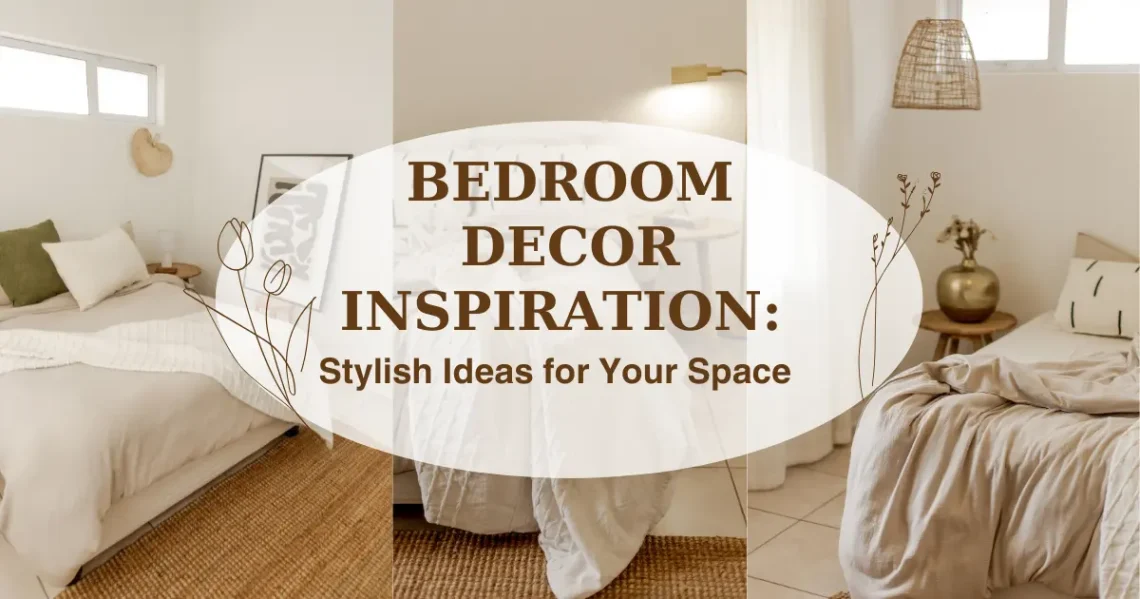
There’s something deeply comforting about a bedroom dressed in calming neutrals. It’s not flashy. It’s not loud. But it wraps you in quiet—like a soft sigh at the end of a long day. Neutrals don’t demand your attention—they invite it gently. They create a sense of space, clarity, and peace, which is exactly what most of us are craving when we finally fall into bed at night.
Think warm whites, creamy beiges, soft greys, muted taupes. These shades don’t compete—they coexist. And when layered thoughtfully, they create a depth that’s often underestimated. The trick is to play with tones and textures rather than a wide color range. A linen bedsheet in stone grey, paired with a chunky knit blanket in ivory and maybe a suede or velvet cushion in taupe—suddenly, your room feels serene and intentional.
Calming neutrals also play really well with natural materials. Wooden furniture, woven baskets, clay vases—everything blends in a way that feels organic. And the beauty of this palette is how timeless it is. While trends may come and go, soft neutrals will always feel right because they never shout. They whisper.
Lighting also matters here. Soft, warm-toned lights enhance the cozy feel of neutral tones, while natural sunlight brings out their gentle undertones during the day. And if you ever crave a pop of color, it’s easy to add—just one soft green plant, a blush pink pillow, or a muted gold accent is all it takes to bring freshness into the calm.
This isn’t just a design choice—it’s emotional. A neutral bedroom isn’t boring. It’s steady. It’s safe. It’s the quiet part of your life that reminds you to slow down, breathe, and simply be.
Bold and Moody Tones
Bold and moody tones aren’t for the faint of heart—but they are for the deeply feeling, the passionate, the dramatic souls who find comfort in depth. A bedroom bathed in darker hues can feel like a secret hideaway, like stepping into a world where you get to be a little more mysterious, a little more you. It’s not about gloom—it’s about groundedness.
Think inky navy, deep emerald, charcoal grey, forest green, or even burgundy. These colors don’t fade into the background—they make a statement. And the statement isn’t “look at me”—it’s “come closer.” There’s an intimacy in moody colors, especially when combined with soft lighting and layered textures.
If you’re nervous about going dark, start with an accent wall. Maybe it’s behind your bed—framing it like a piece of art—or across from the window, where natural light softens its intensity during the day. Moody tones work beautifully with rich materials like velvet, leather, and matte metals. Gold accents, black fixtures, or warm wood can balance the weight of the color and bring warmth back into the room.
Don’t be afraid to go monochromatic within this palette. A room with layered shades of one deep color—say, varying tones of plum or olive—can feel incredibly luxurious and cohesive. It creates a sense of depth that pulls you in rather than pushing you away.
Lighting is key in moody spaces. Soft lamps, pendant lights, and candlelight will all bring your room to life. Avoid harsh overheads—they flatten the magic.
And maybe most importantly: bold doesn’t mean busy. A moody room can still be minimal, still be intentional—it just happens to wear darker clothes. And sometimes, that darkness is exactly what helps you rest.
Soft Pastels for a Dreamy Vibe
If bold and moody tones are the deep breath of a bedroom, then soft pastels are the gentle exhale. There’s something inherently comforting, almost nostalgic, about pastel shades. They don’t demand your attention—they invite it. Soft blush, powder blue, mint green, lavender, buttery yellow… these colors make you feel like you’ve stepped into a daydream, especially when used right in the bedroom.
Pastels are perfect for those who want their space to feel calm, sweet, and light without going fully neutral. They’re cheerful, but never overwhelming. And the best part? They’re incredibly versatile. You can mix and match several pastels in one space, or pair them with creams and whites for a more grounded look. It’s the kind of palette that whispers, “You’re safe here.”
One common fear with pastels is that they’ll make the room feel childish or overly feminine—but that’s not necessarily true. It’s all in how you layer them. Pair blush pink with matte black or brass hardware. Combine baby blue with natural linen and pale wood for a Scandinavian twist. Mint green against crisp white bedding feels fresh and grown-up. It’s about intention, not age.
Textiles are your best friend here. Try pastel sheets, cushion covers, or curtains instead of painting the whole room. These soft colors reflect light beautifully, so your room always feels a little sunnier, a little softer—like waking up inside a watercolor.
If you’re someone who craves softness, joy, or just a bit of lightness after a long day, pastels might be the quiet refresh your bedroom needs. They’re like a soft lullaby for the eyes—and we could all use a little more of that.
Statement Beds and Headboards
If the bedroom were a movie, the bed would be the lead actor. It’s the centerpiece—the first thing your eyes land on when you walk in, and the place you retreat to when the world feels a little too much. So why not let it speak? A statement bed or headboard doesn’t just hold your mattress—it holds personality, comfort, and intention.
Let’s start with the headboard. This is where you can have a lot of fun. A tall, tufted velvet headboard? Instant luxury. A carved wooden one? Cozy and earthy. A rattan or cane weave? Light, bohemian charm. Even if the rest of your room is simple, a bold headboard can create structure, dimension, and a real sense of “this space is mine.”
Don’t want a traditional headboard? No problem. You can fake one with creative alternatives—a large piece of art behind the bed, a row of pillows in contrasting colors, or even a painted section of the wall in a unique shape or tone. The goal is to anchor the bed visually, so it doesn’t just float in the space.
As for the bed frame itself, don’t underestimate its power. A platform bed can make a room feel grounded and minimalist. A canopy bed? Whimsical and romantic. Floating beds (yes, they’re a thing) can add a futuristic, airy vibe. Choose a shape and height that fits your room’s energy—and your own comfort.
And don’t forget the little details: bedding, cushions, throws. A statement bed isn’t just about structure—it’s also in the layers. It’s the difference between a bed that looks made… and one that looks inviting.
Because when your bed feels right, everything else around it starts to fall into place.
Smart Storage with Style
We all want a beautiful bedroom—but let’s be honest, we also need somewhere to hide the mess. That’s where smart storage steps in—not just to stash things away, but to do it beautifully. Gone are the days when storage meant clunky cabinets or basic plastic bins. Today, storage can be sleek, stylish, and so well-integrated that you barely notice it’s there.
Start with multifunctional pieces. A bed frame with built-in drawers underneath? Game-changer. It’s like having an extra closet, but without taking up any more space. Storage benches at the foot of the bed double as seating and linen storage. Nightstands with deep drawers or hidden compartments give you space to tuck away the stuff you don’t want sitting out—like random cords, journals, or that half-finished book you’ve been meaning to read for a month.
Then there’s the magic of vertical space. Tall dressers or wardrobes keep your footprint small while offering lots of room to organize. Floating shelves are perfect for books, candles, plants, or even baskets that hold smaller items. Hooks on walls or behind doors can hold robes, bags, or hats—things that usually get tossed onto the floor.
Open storage can be beautiful, too. A vintage ladder to hang throws, woven baskets under a console table, or even stylish bins tucked under a desk. These pieces bring in warmth and texture while quietly doing the heavy lifting.
But the real secret? Keep it intentional. Storage should serve you—not stress you. The more you can organize your essentials in ways that feel natural, the less clutter you’ll see, and the more peace you’ll feel.
Because a stylish bedroom isn’t just about what’s on display—it’s also about what’s tucked away with care.
Conclusion
Your bedroom isn’t just a room—it’s your retreat, your recharge station, your quiet little world away from the noise. And decorating it shouldn’t feel like a chore or a competition. It should feel like a journey back to yourself. Whether you’re drawn to soft neutrals, bold colors, eclectic pieces, or simple serenity, the key is to listen—to your lifestyle, your energy, your comfort.
You don’t need to buy everything new. You don’t need to copy a trend. You just need to create a space that feels good when you walk into it at the end of a long day. Maybe it’s a headboard you love, a color that calms you, or a little plant that makes you smile in the morning. It’s those small things, layered with care, that turn a bedroom into something truly personal.
Take your time. Let it evolve. And don’t be afraid to make it a little imperfect—it’s your space, not a showroom. If it reflects you, you’re already doing it right.
FAQs
Q1: What’s the best way to start decorating my bedroom if I feel overwhelmed?
Start small. Choose one corner to focus on—like your bed or your nightstand. Pick a color or a piece you love and build slowly around it. It doesn’t need to happen all at once.
Q2: Can I mix different decor styles in one bedroom?
Absolutely! Most real bedrooms are a blend of styles. Mixing modern with boho or vintage with minimalist can create a space that feels layered, personal, and uniquely yours.
Q3: What’s a budget-friendly way to refresh my bedroom?
Swap out pillow covers, add a cozy throw, or rearrange your layout. Thrift stores and DIY projects can also breathe new life into your room without spending much.
Q4: Which color palettes are best for small bedrooms?
Light neutrals and pastels can make a small room feel more open and airy. But don’t be afraid of dark colors—they can actually make small spaces feel cozy and intimate when used thoughtfully.
Q5: How can I make my bedroom more cozy without cluttering it?
Focus on textures—soft bedding, layered rugs, warm lighting. Choose items that bring comfort but still serve a purpose. Clutter-free doesn’t have to mean cold.